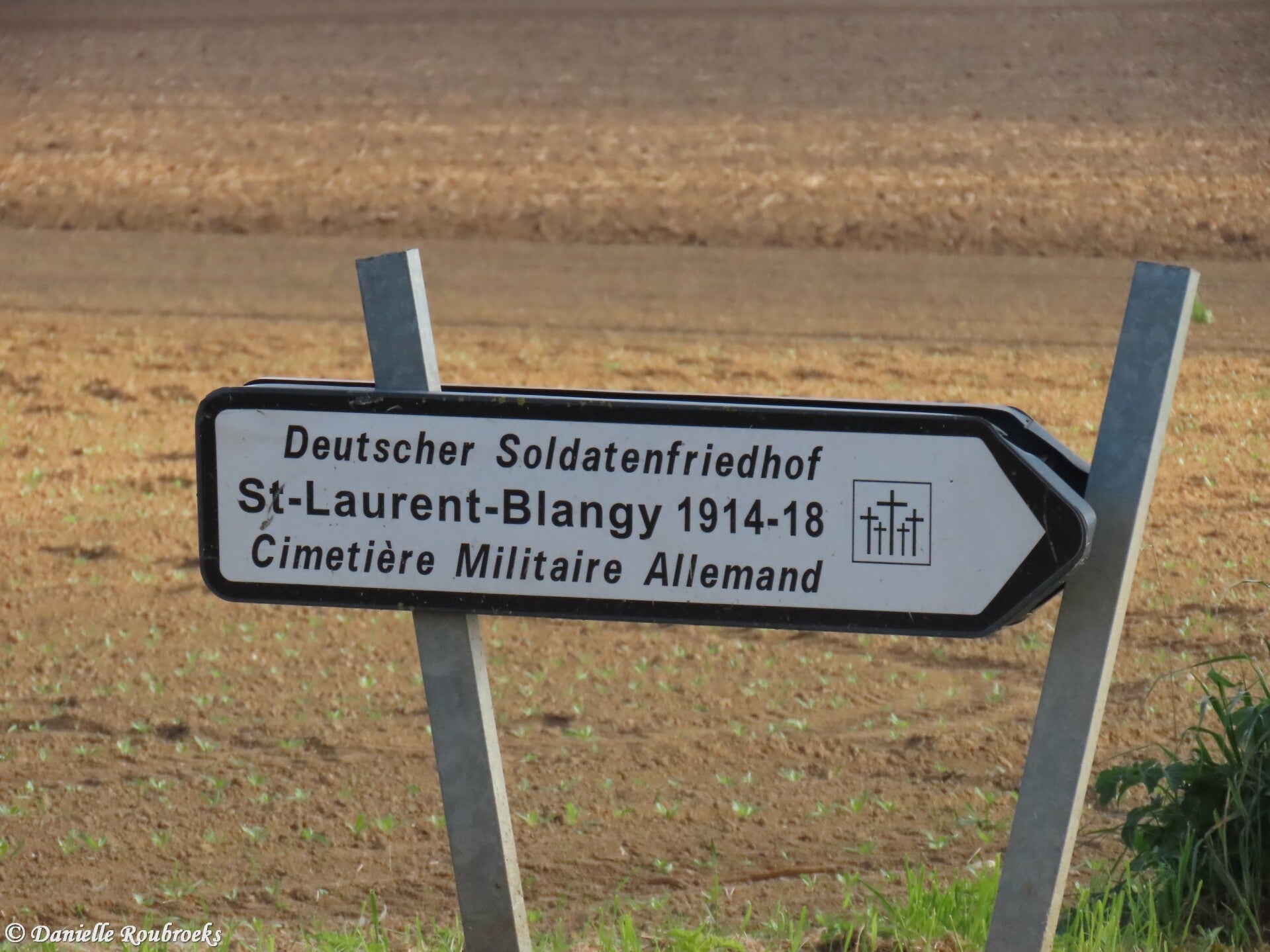
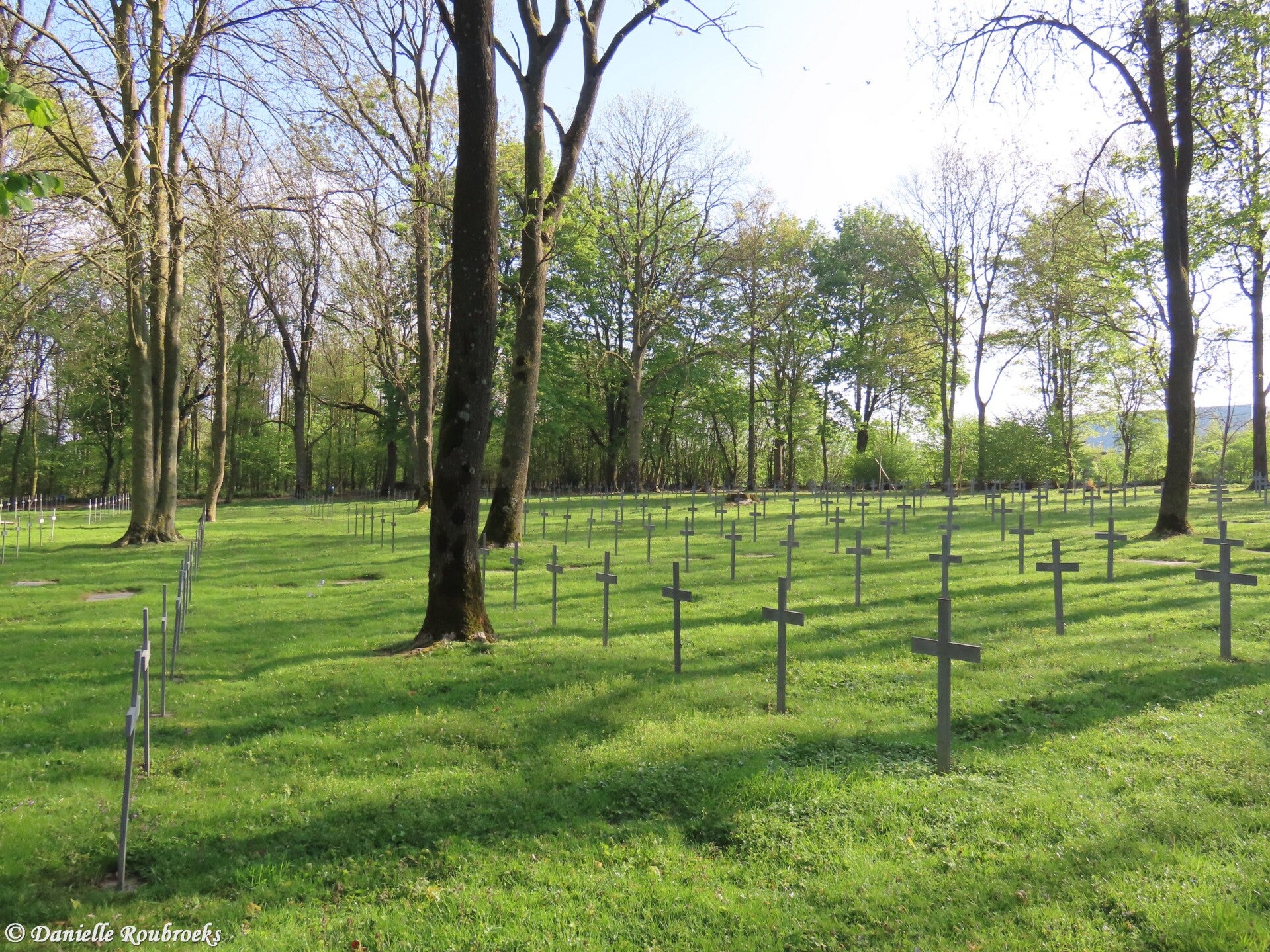
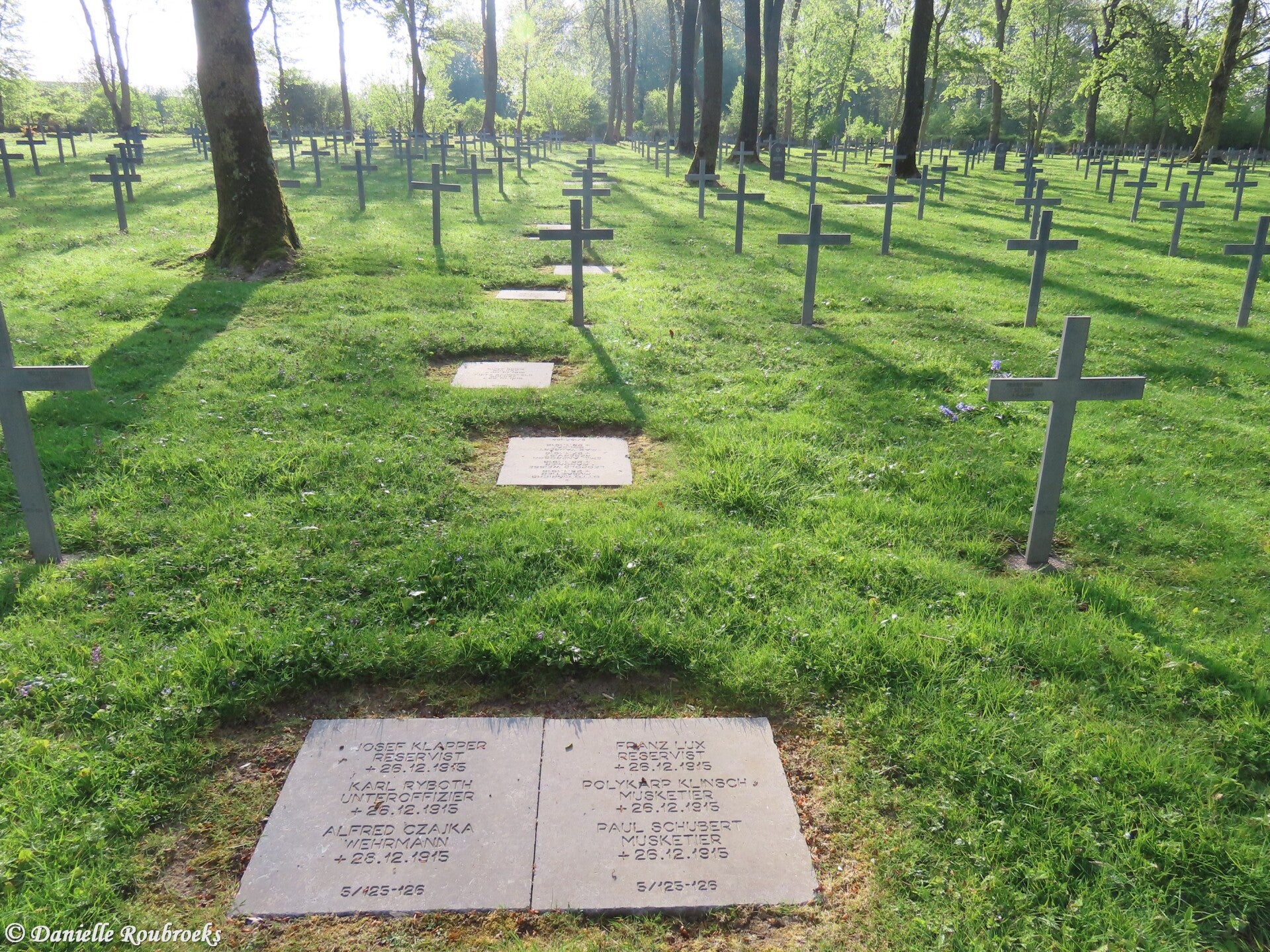
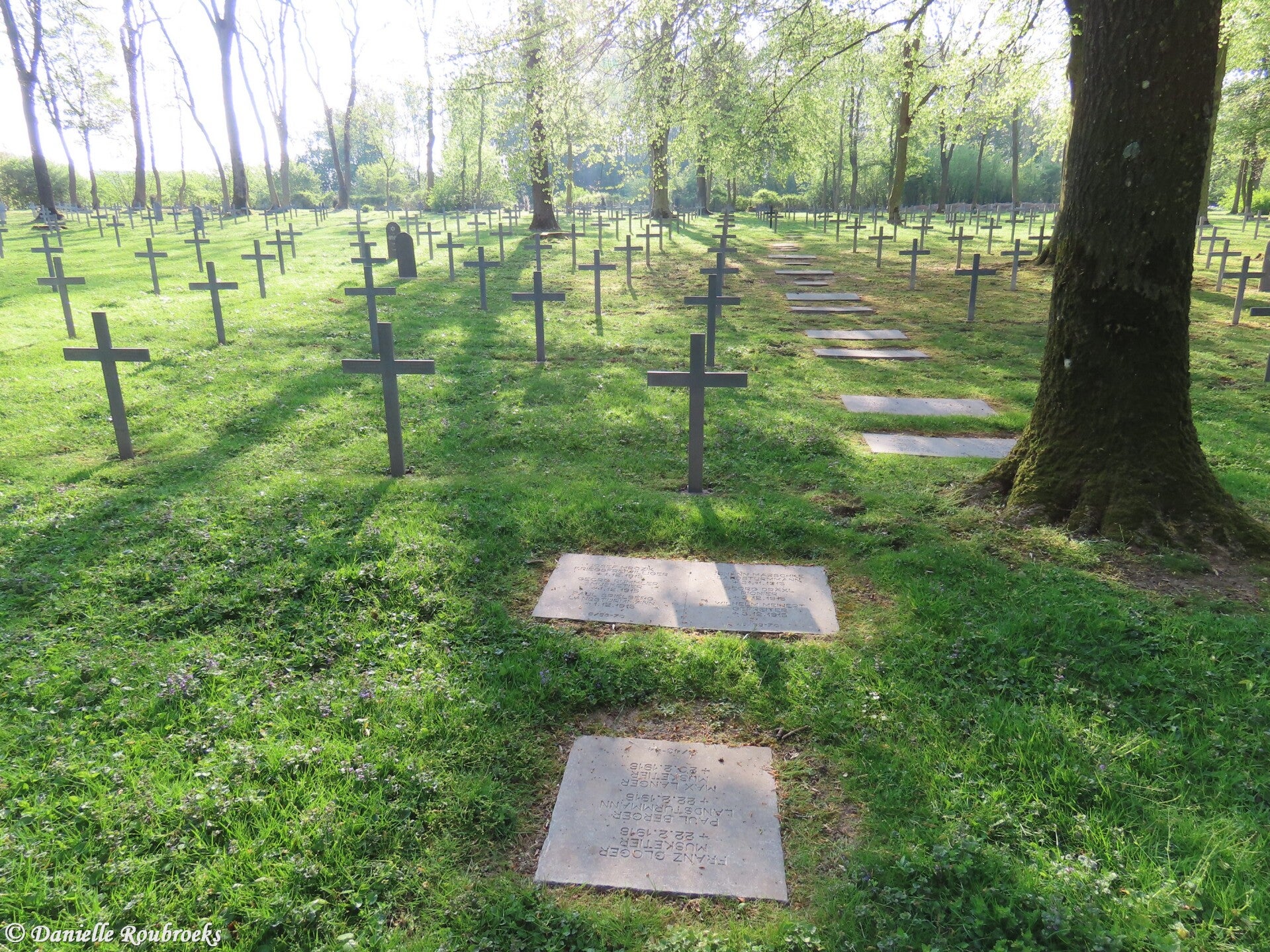
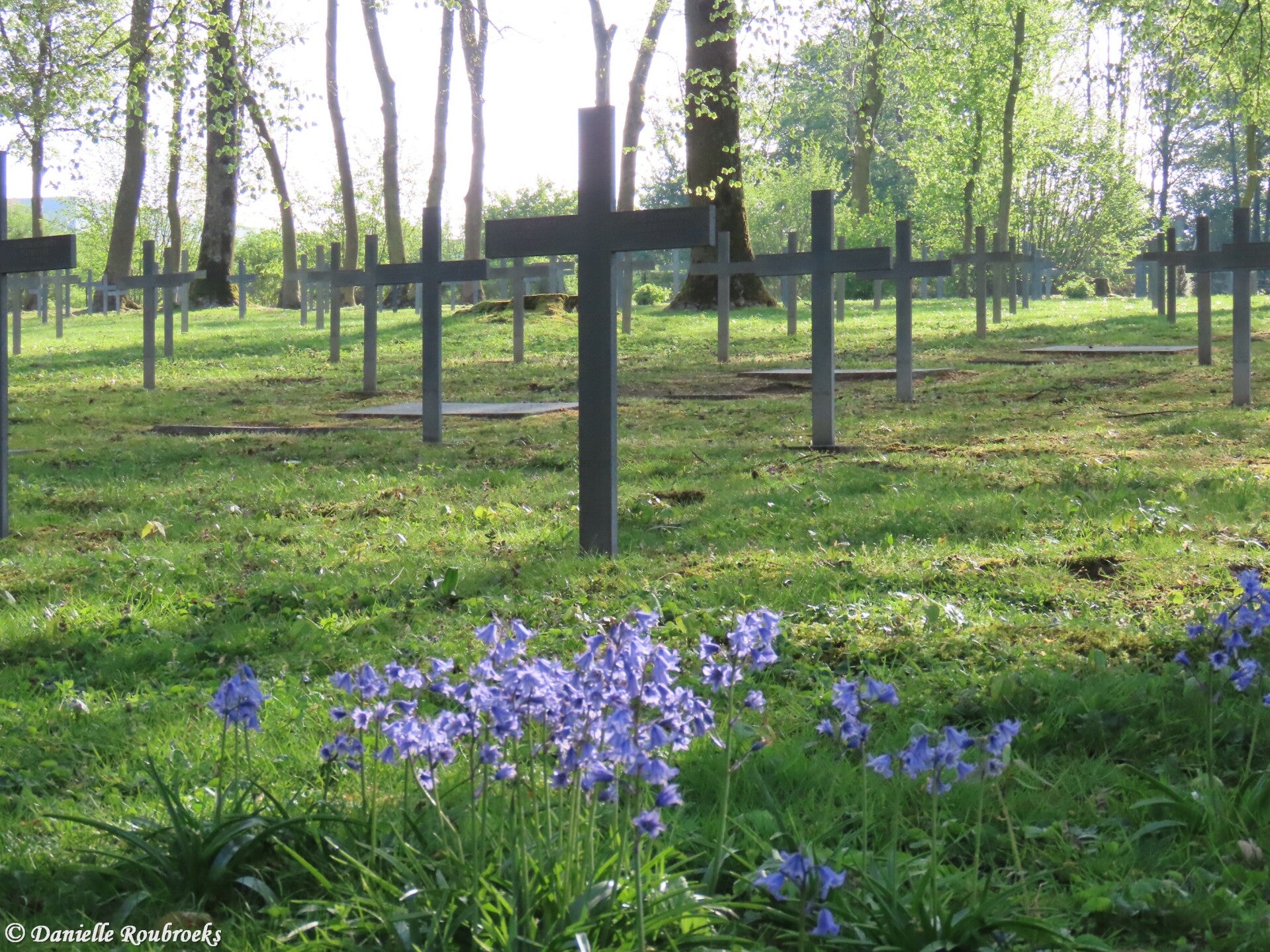
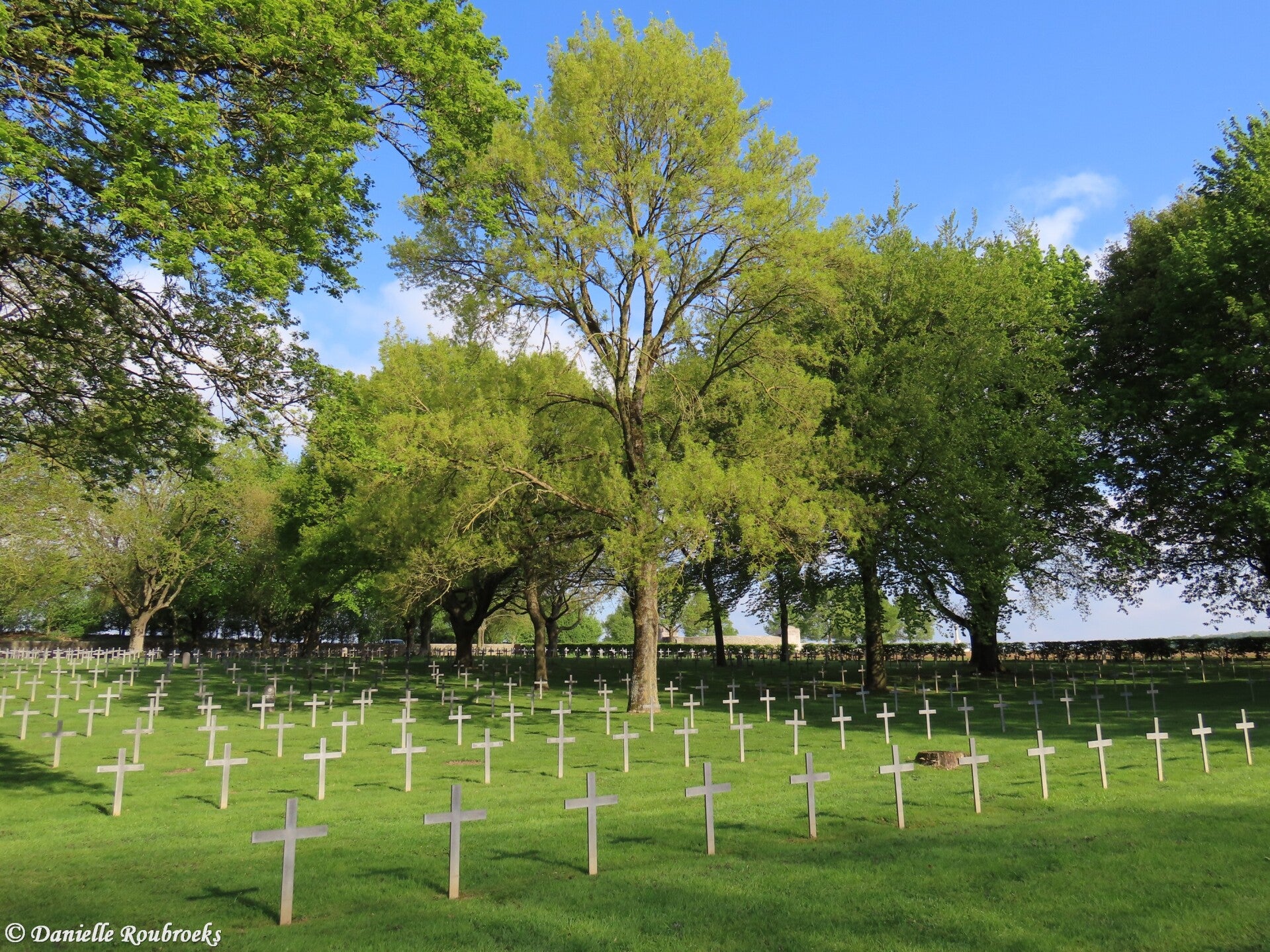
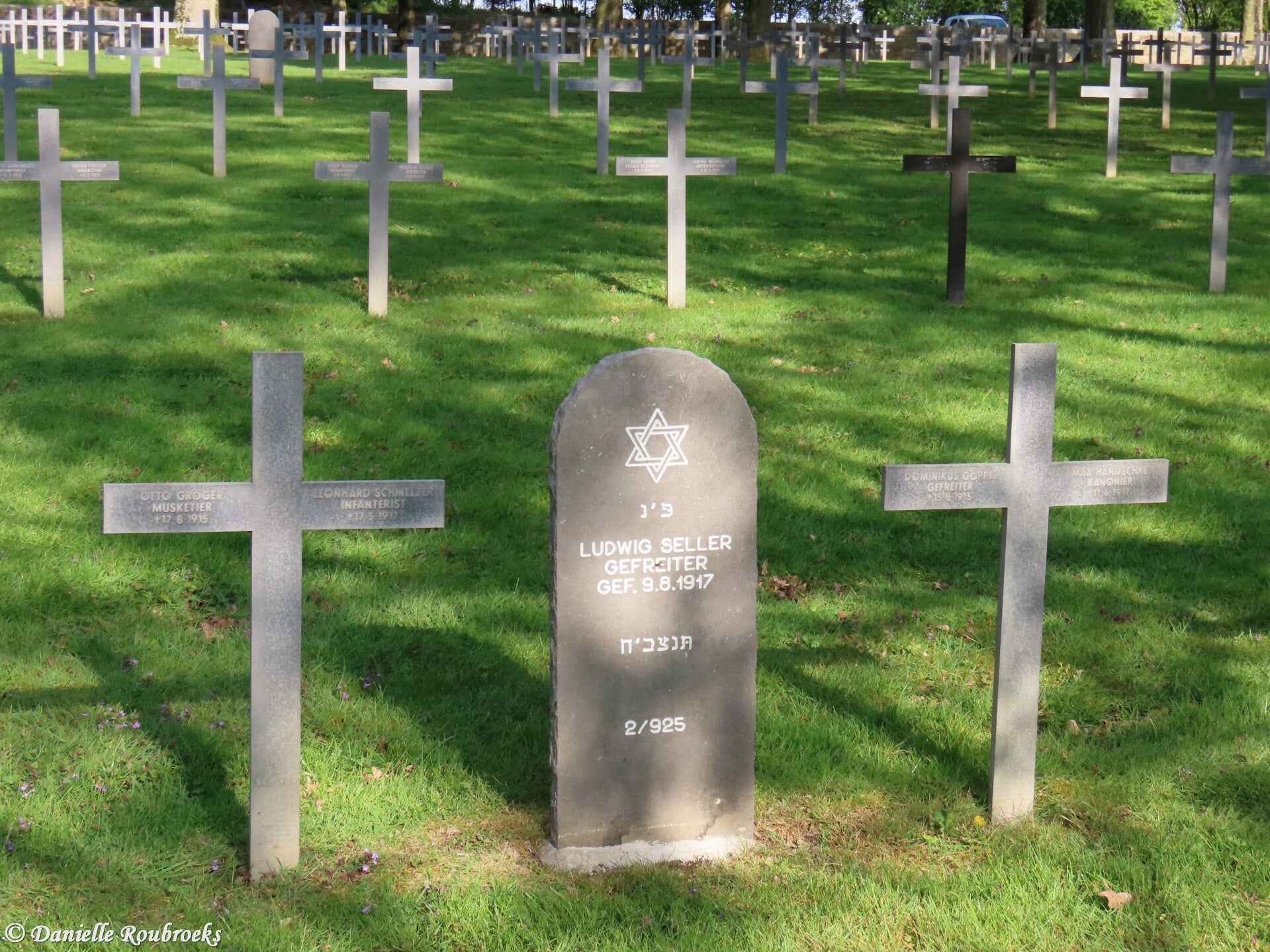
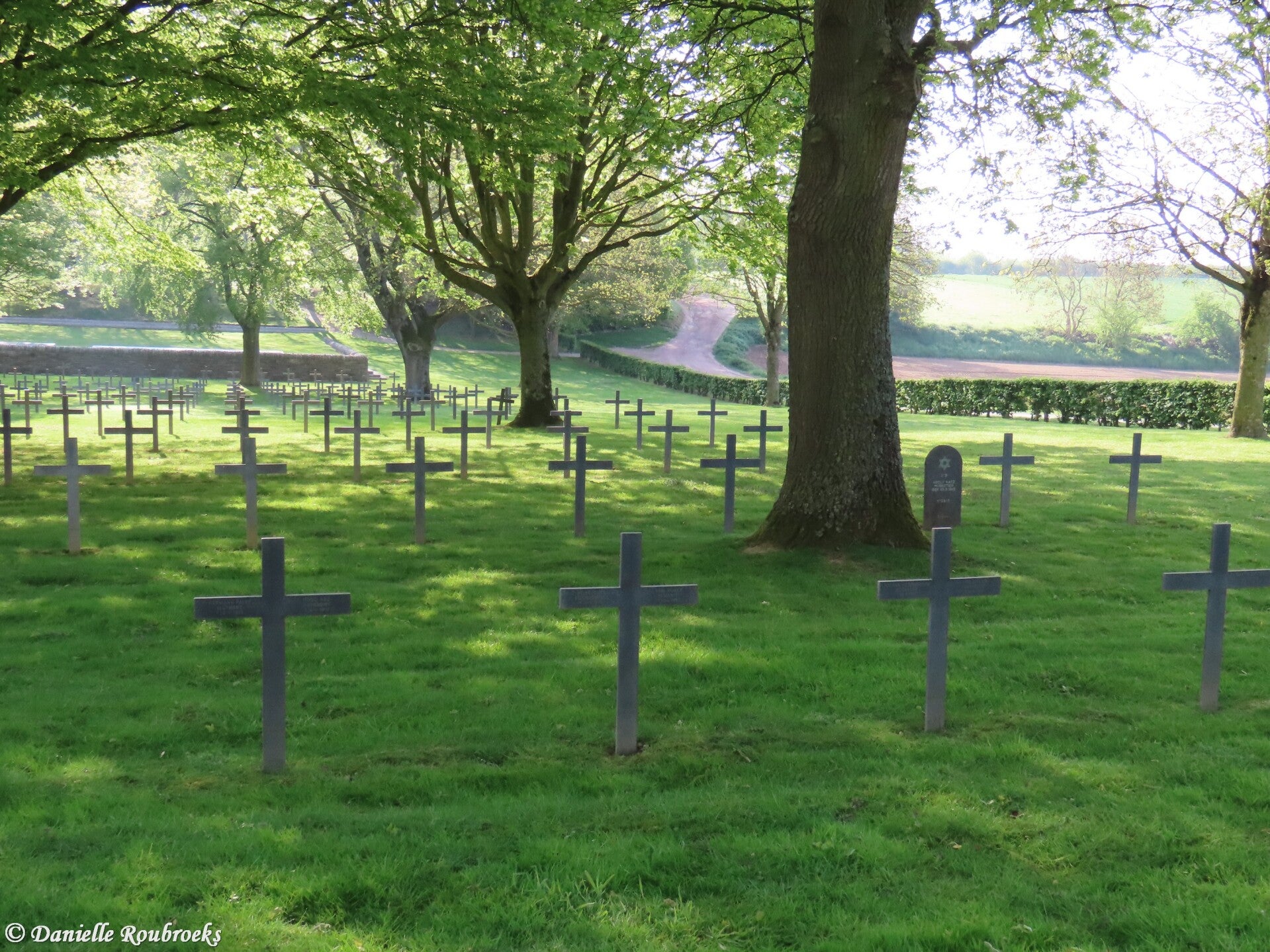
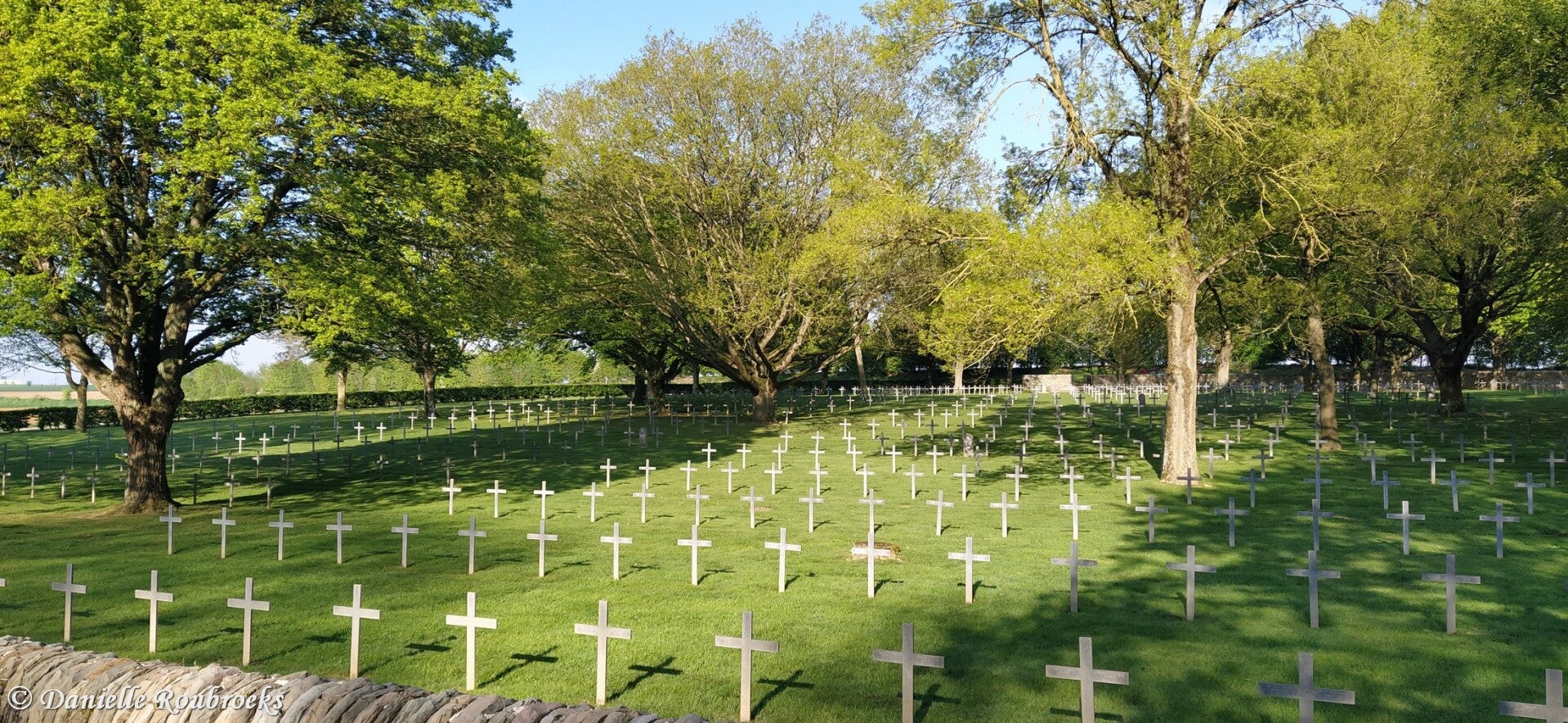
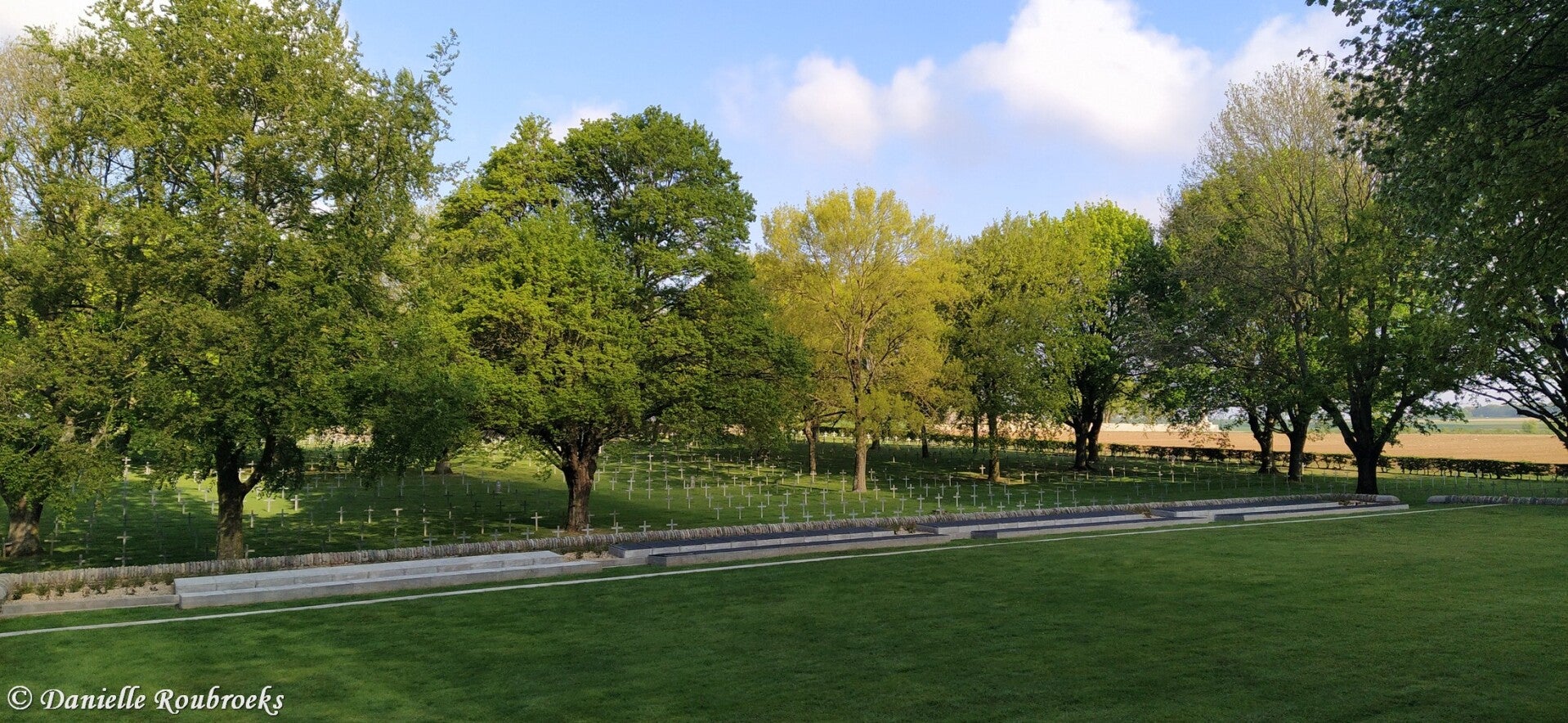
St Laurent Blangy Kriegsgräberstätte – German War Cemetery
Historical Information (Source: Volksbund)
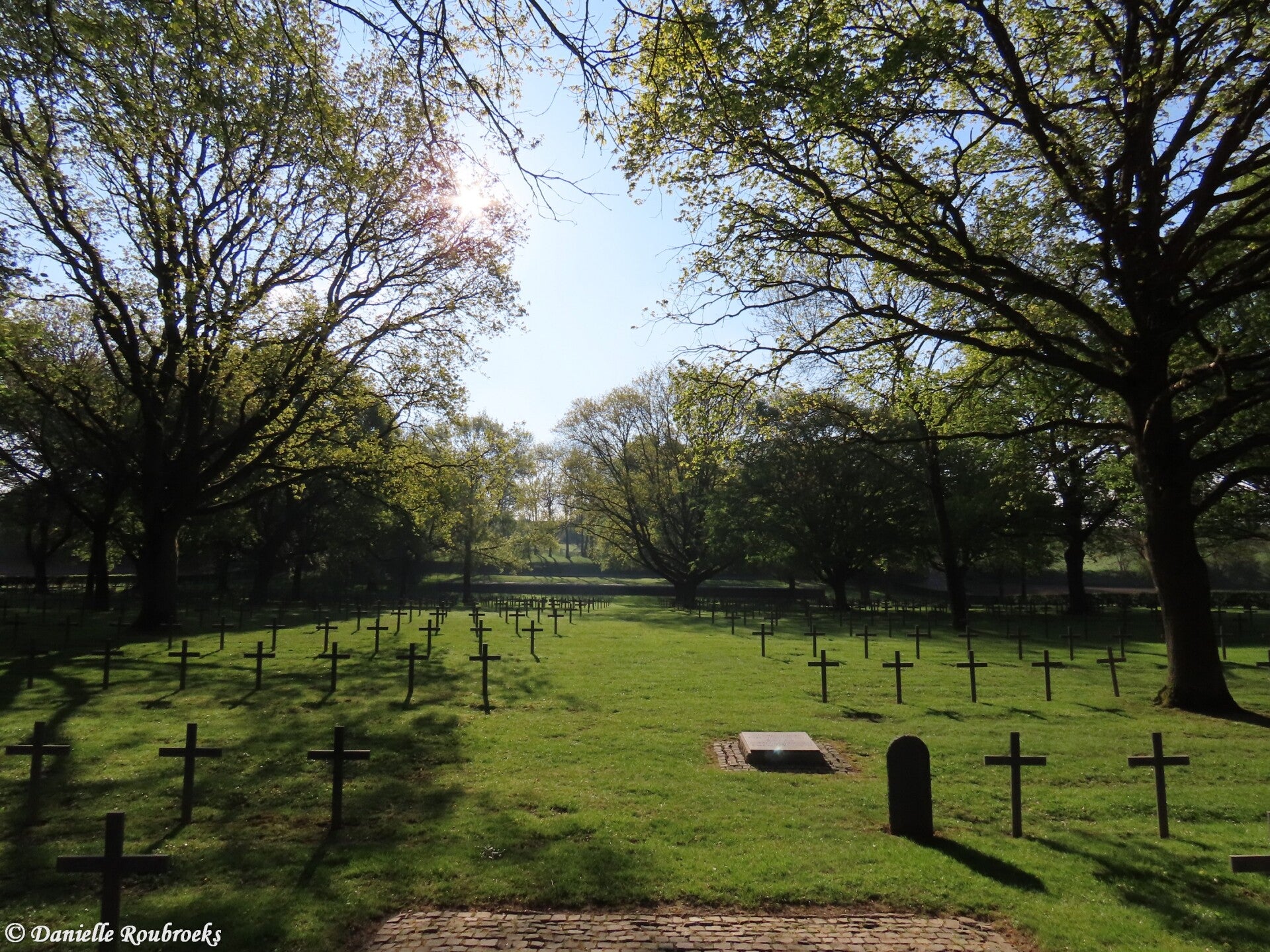
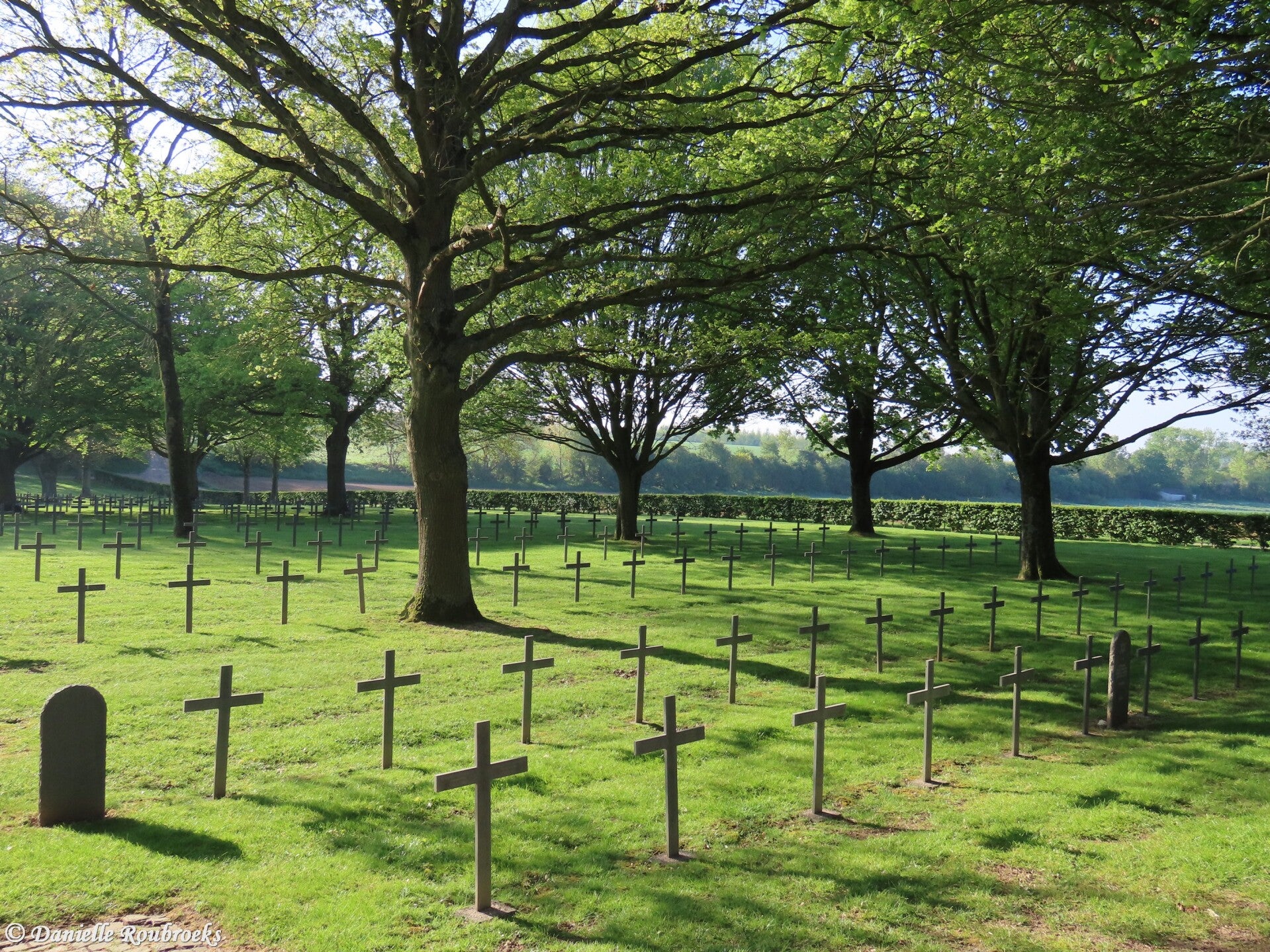
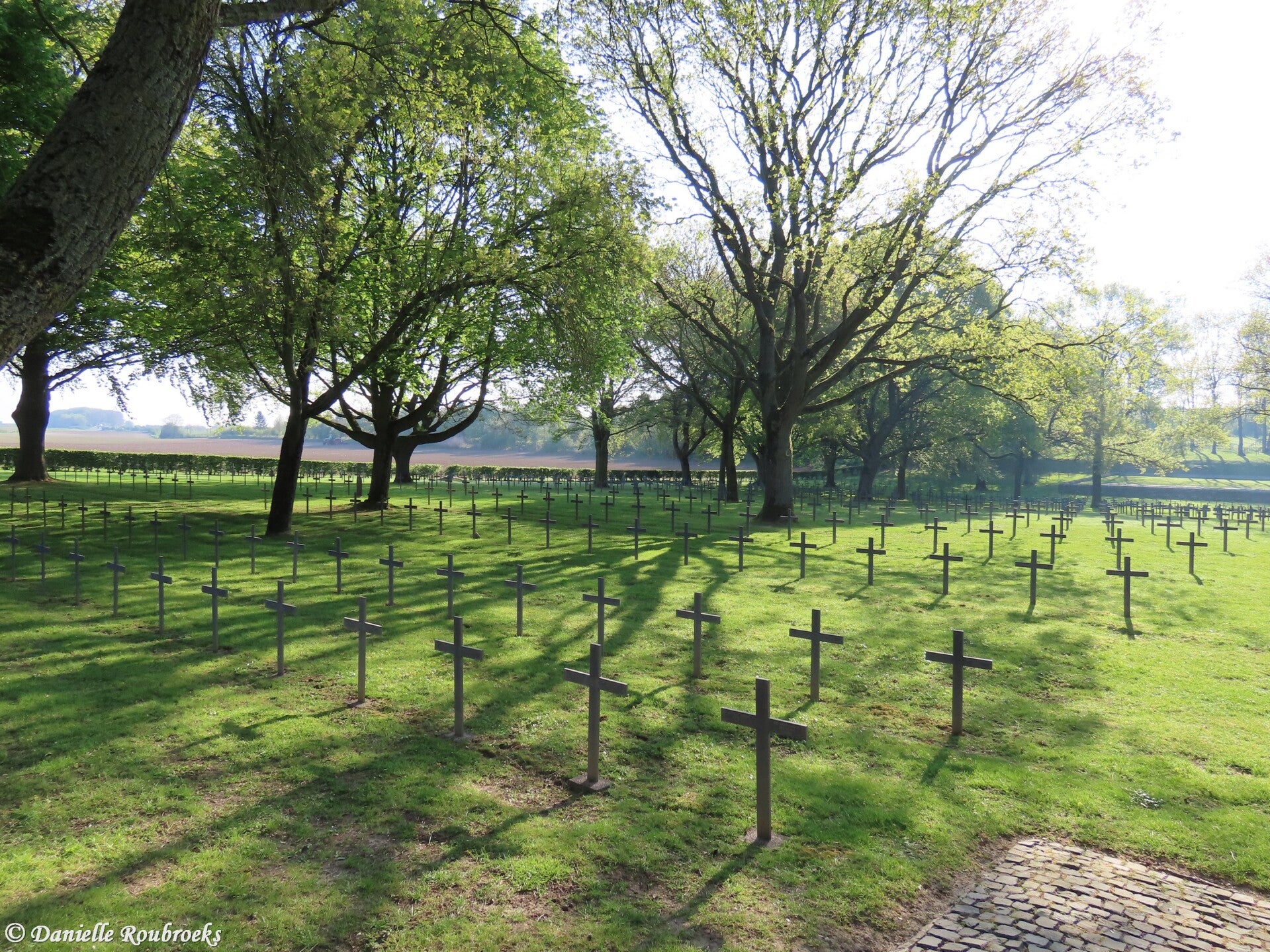
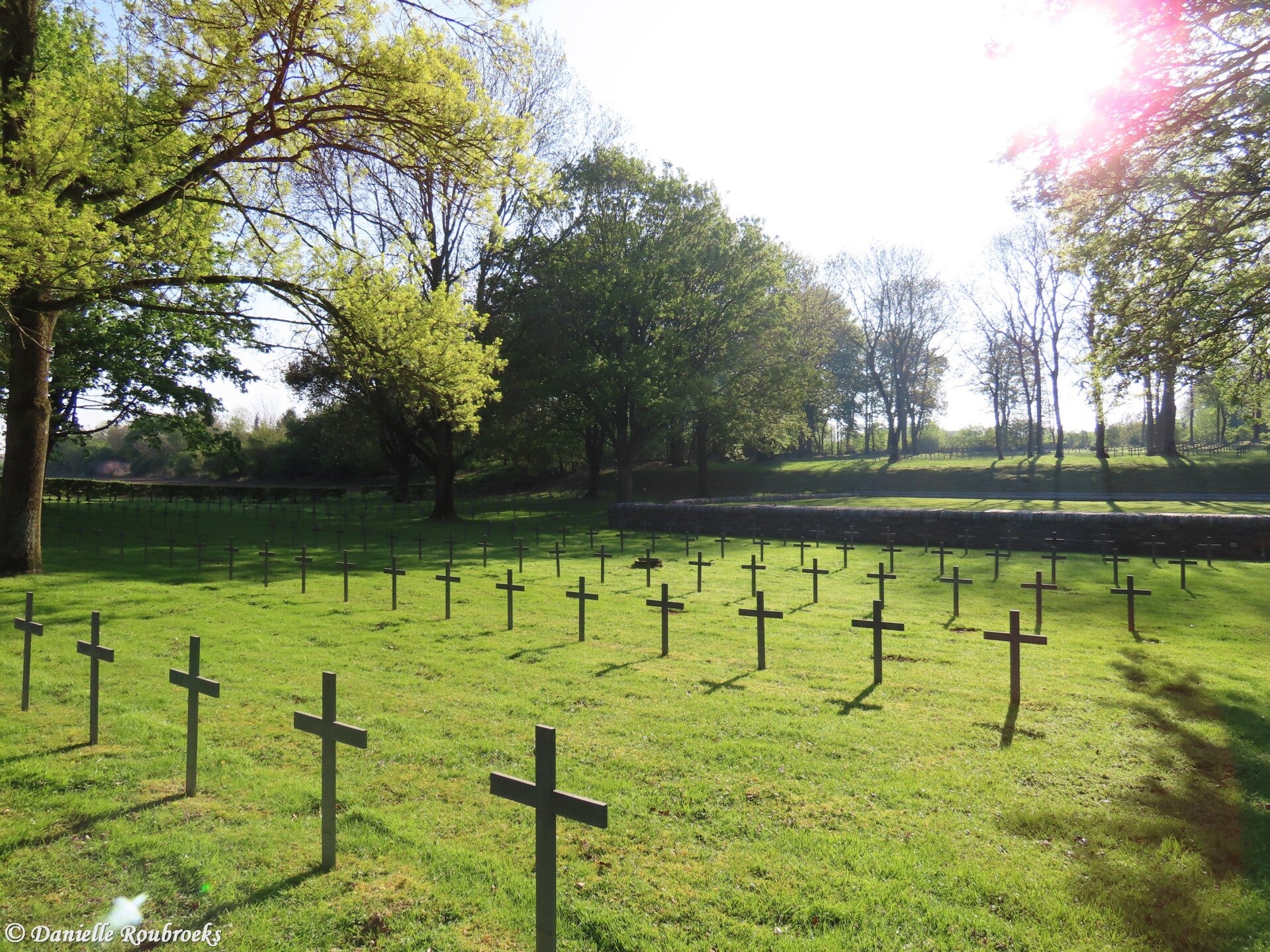
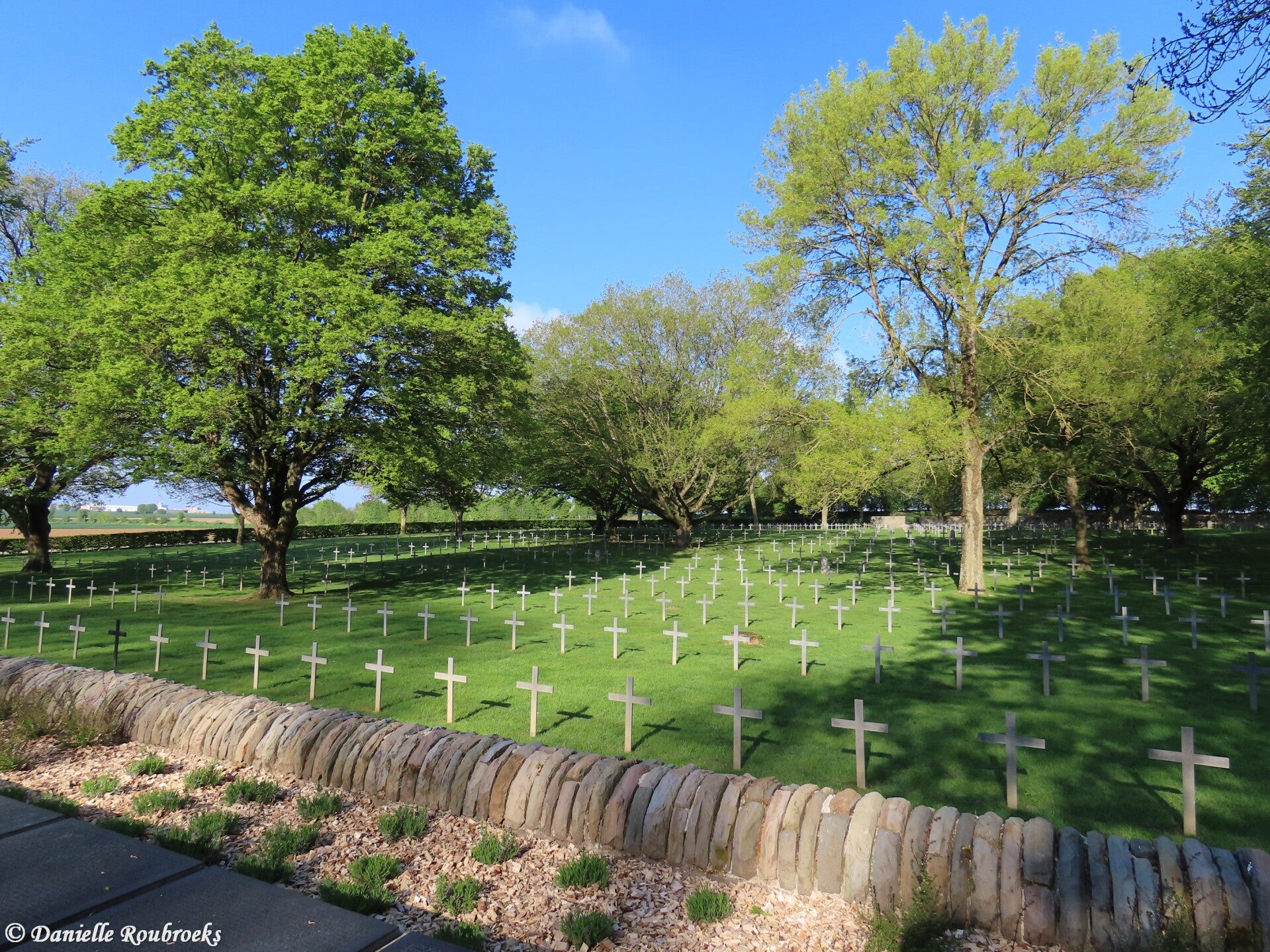
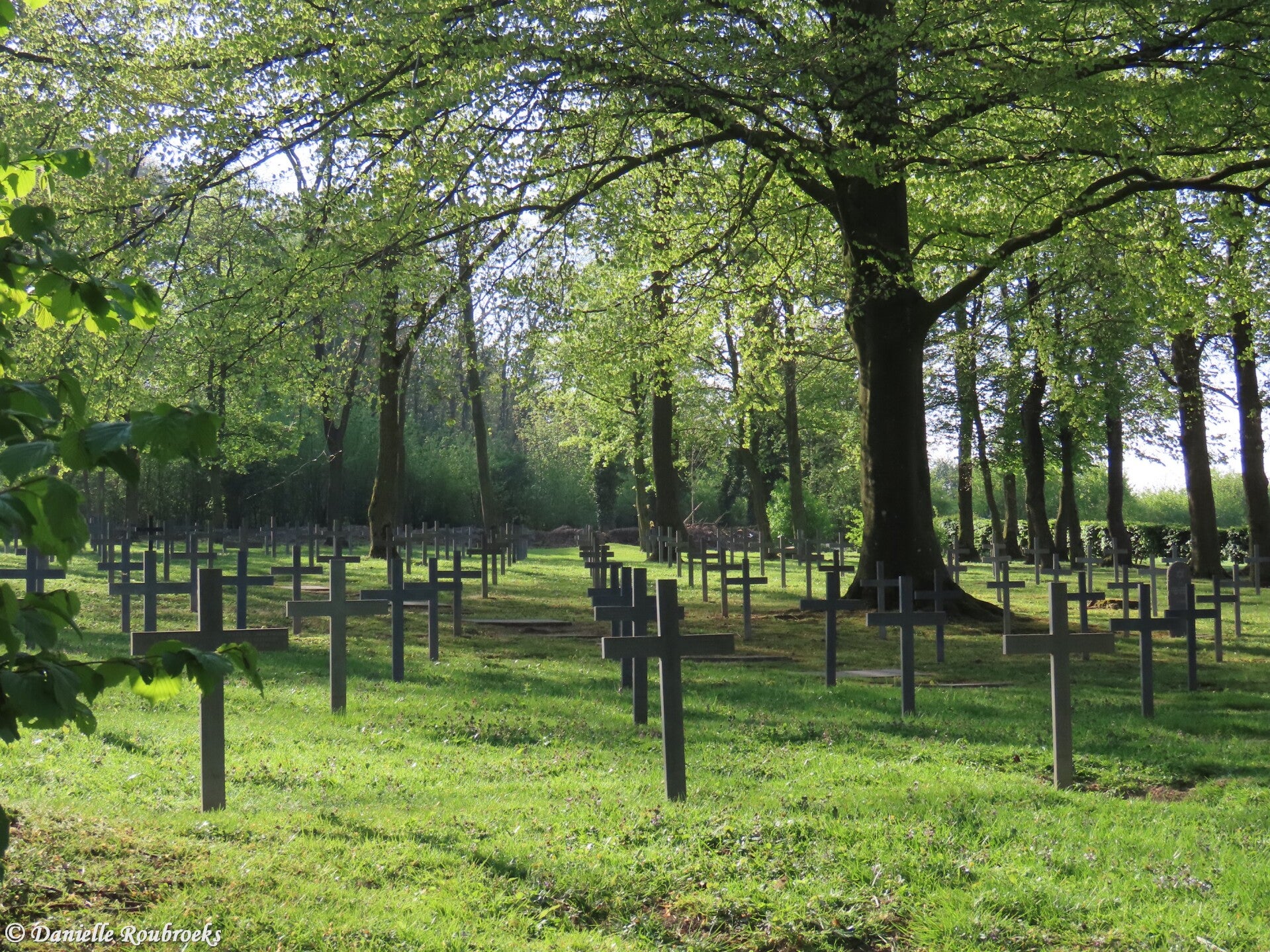
31 339 German war dead World War I
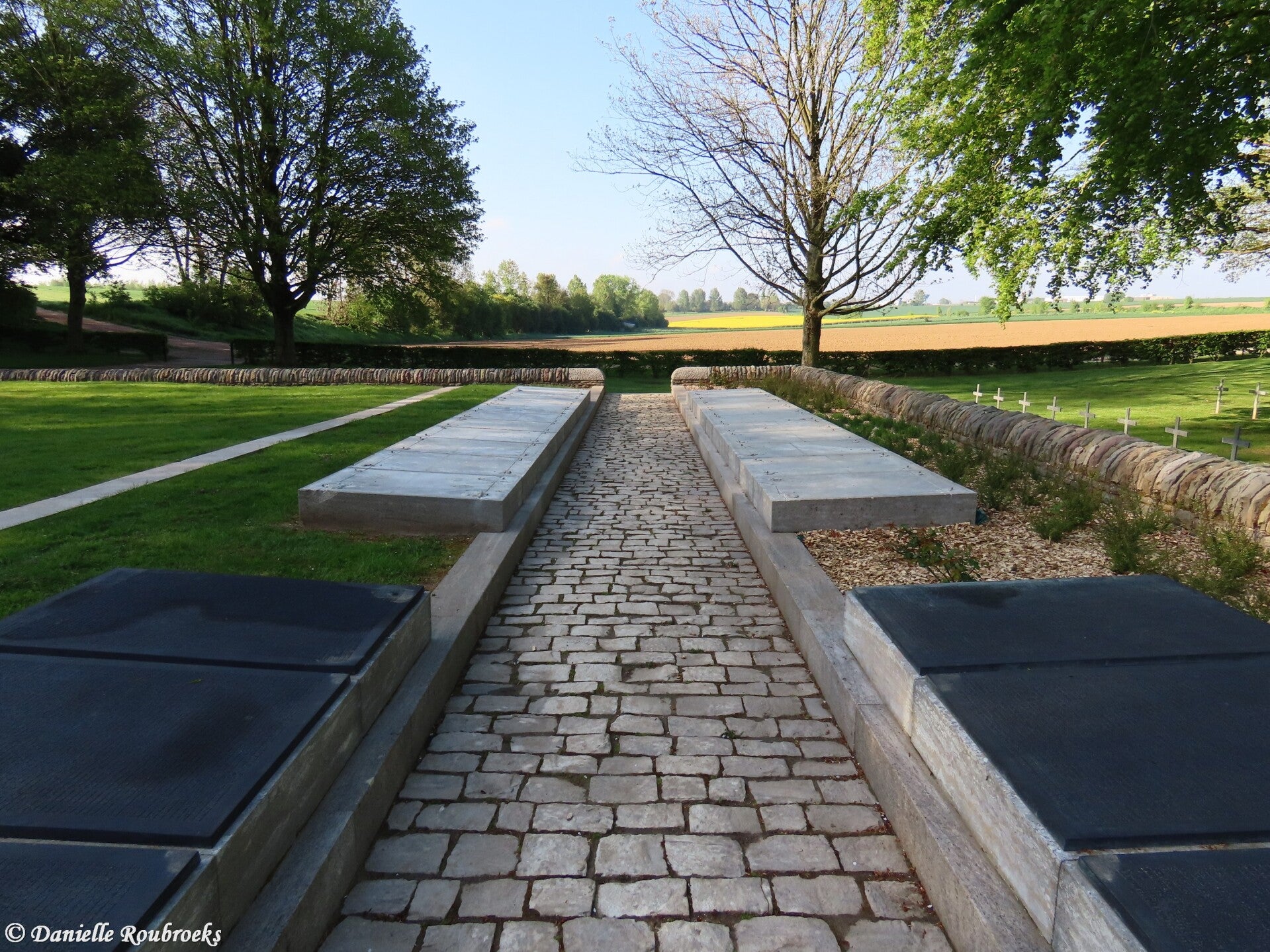
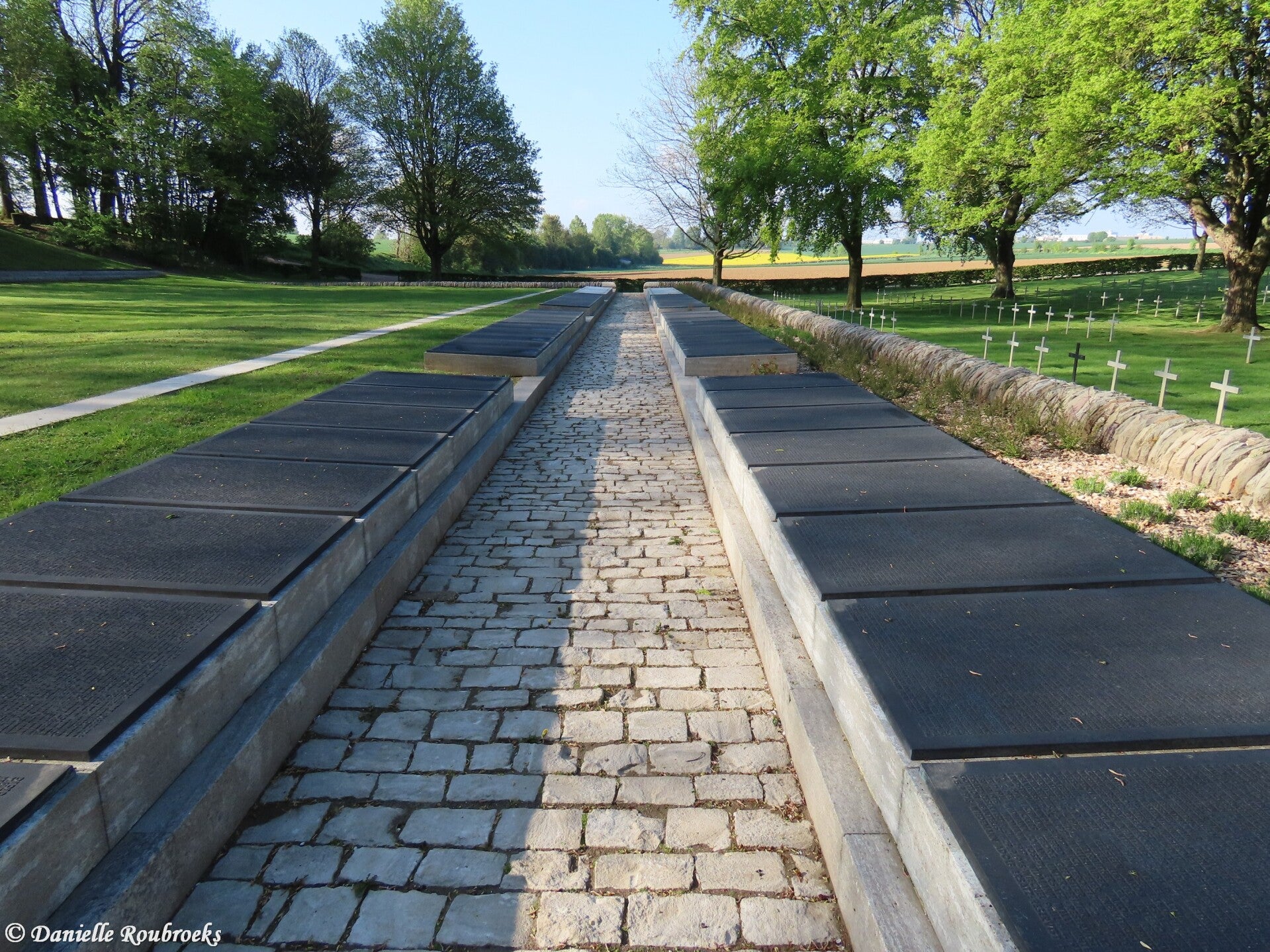
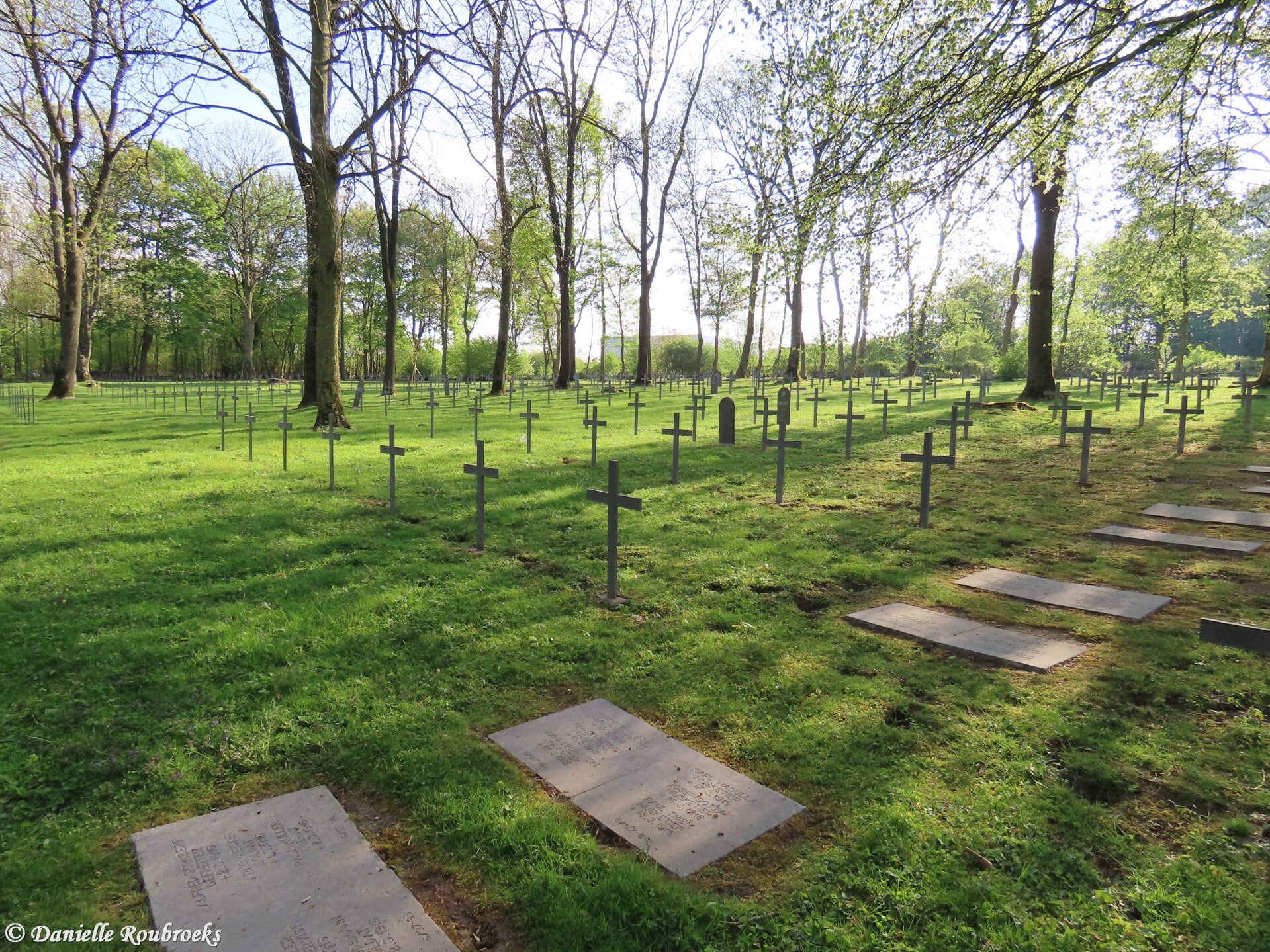
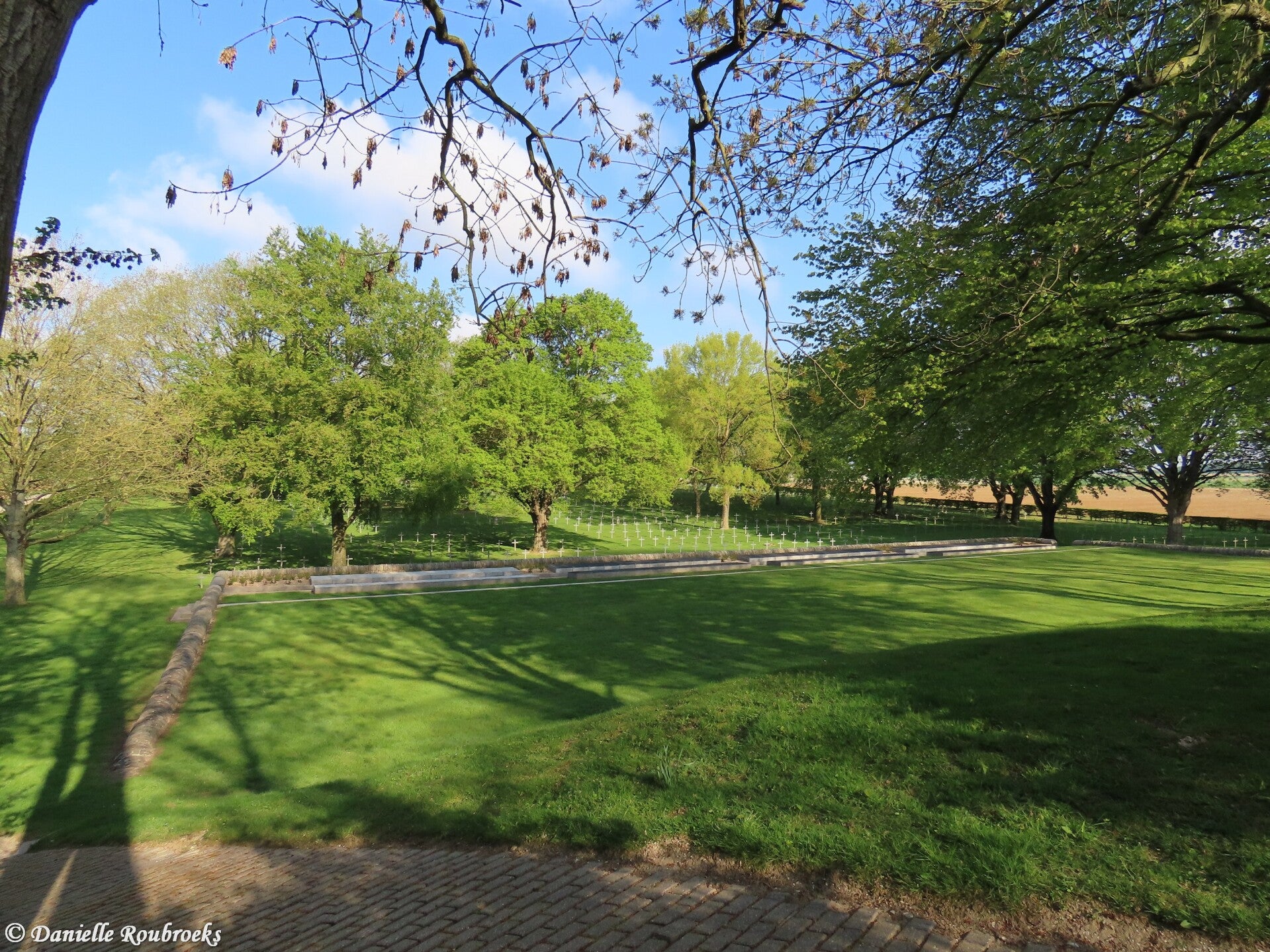
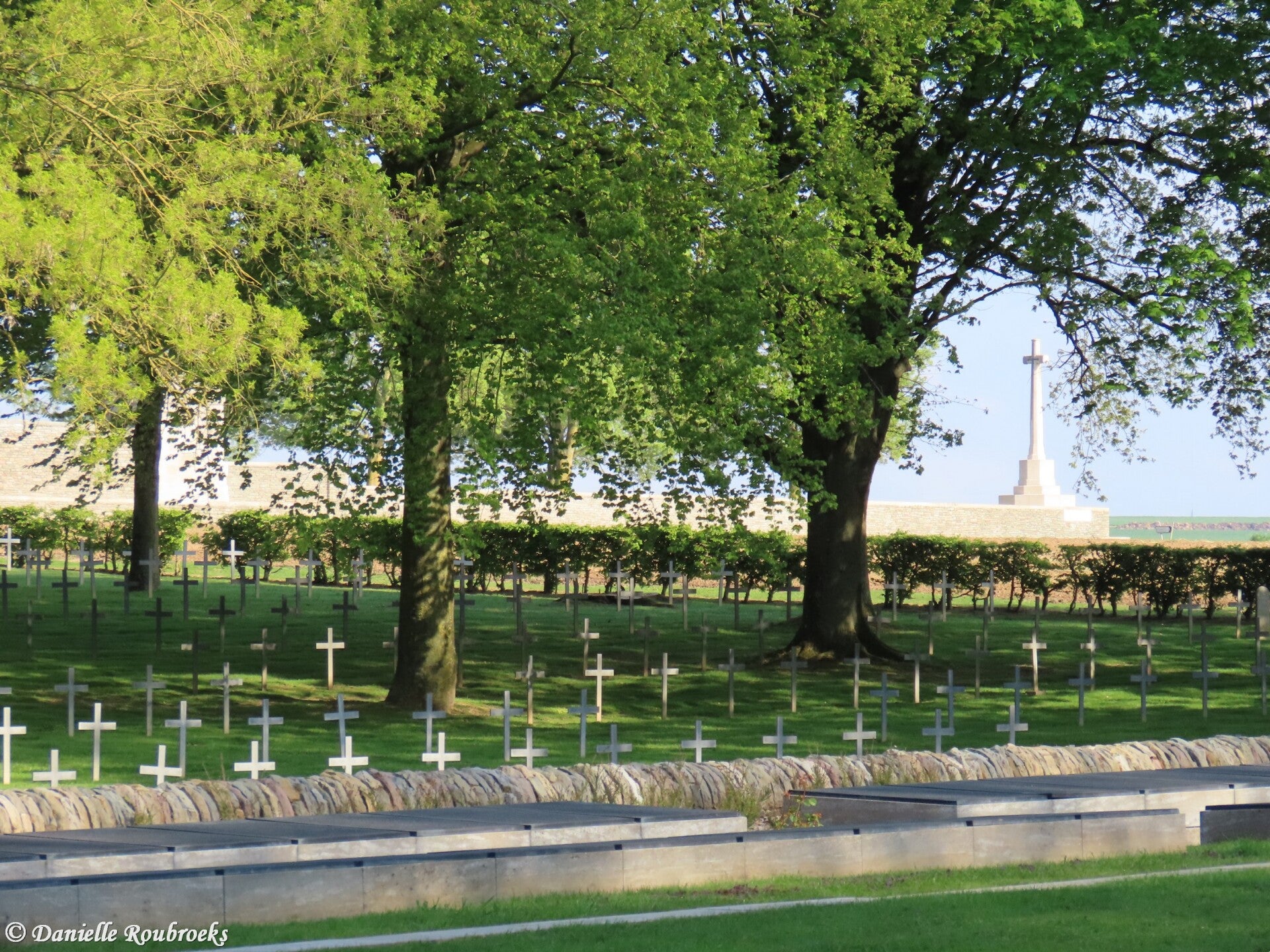
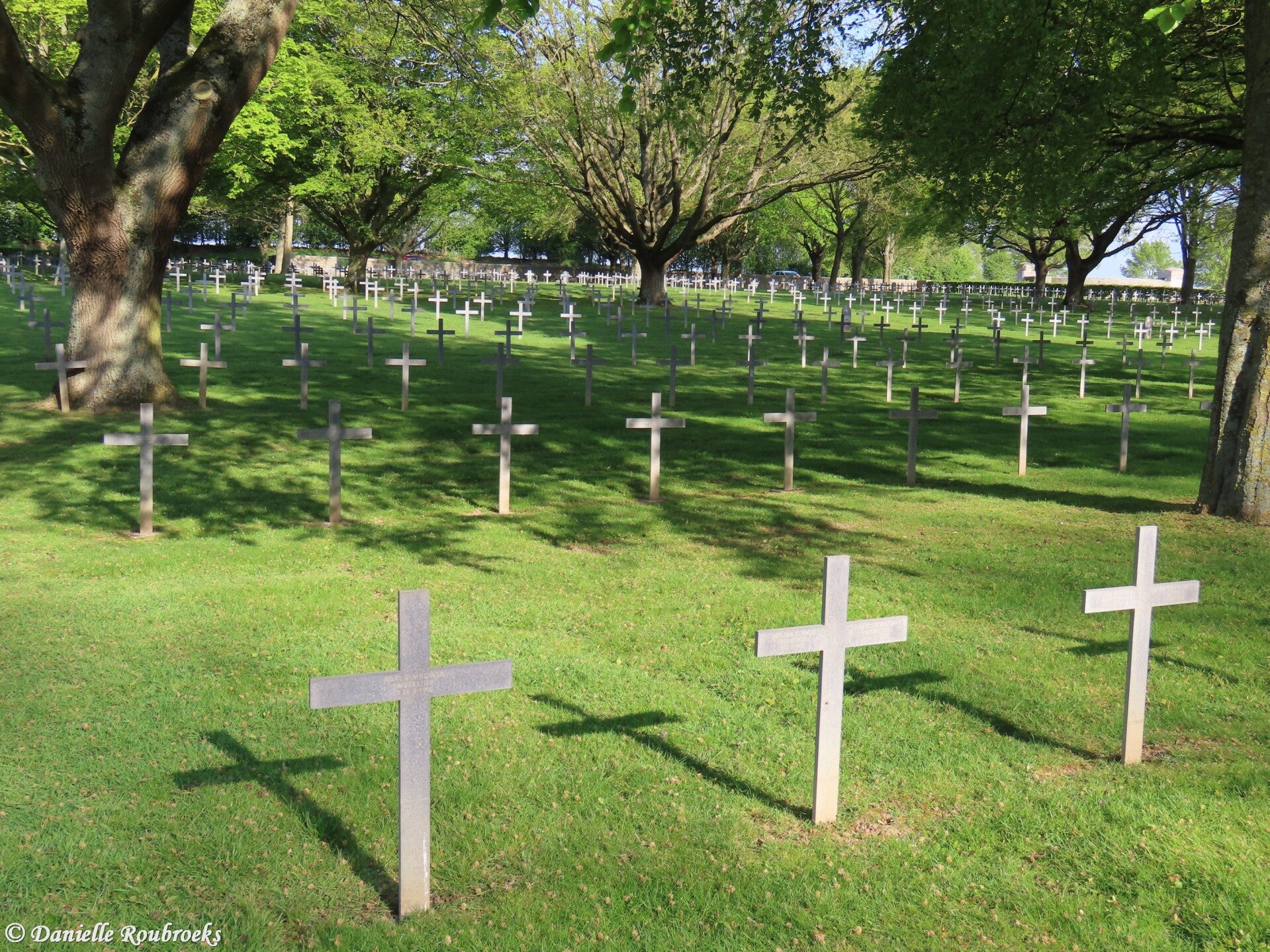
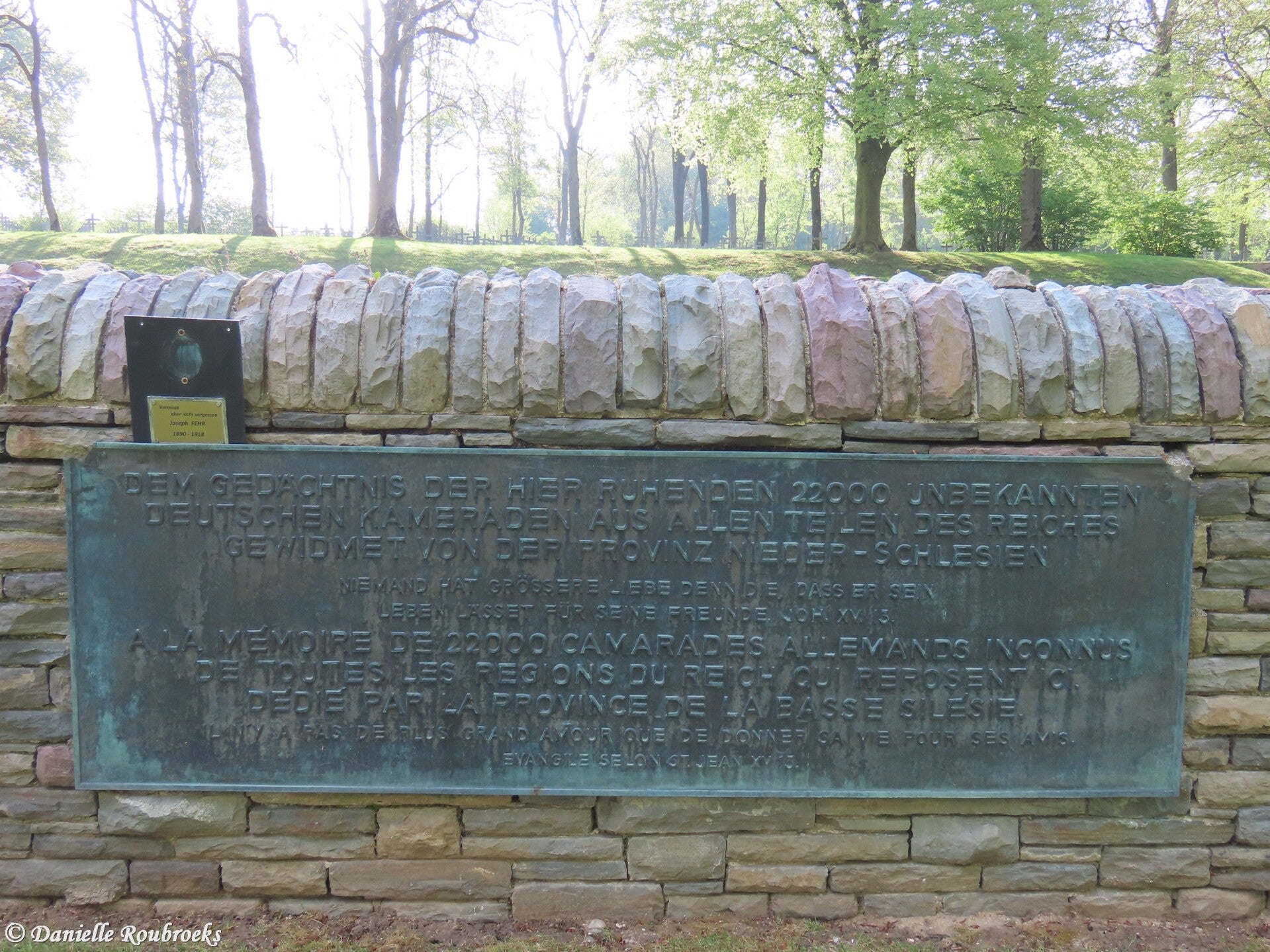
The German military cemetery. St.-Laurent-Blangy was created in 1921 and 1922 by the French military authorities as a cemetery for German soldiers from the southern part of the former front section near Arras. Most of the unknown dead from the area north and east of Arras were also buried here. In 1956 the French military authorities dissolved the German cemetery in Comines - located directly on the French-Belgian border - for reasons of urban planning and transferred the 4,283 dead to St. Laurent-Blangy.
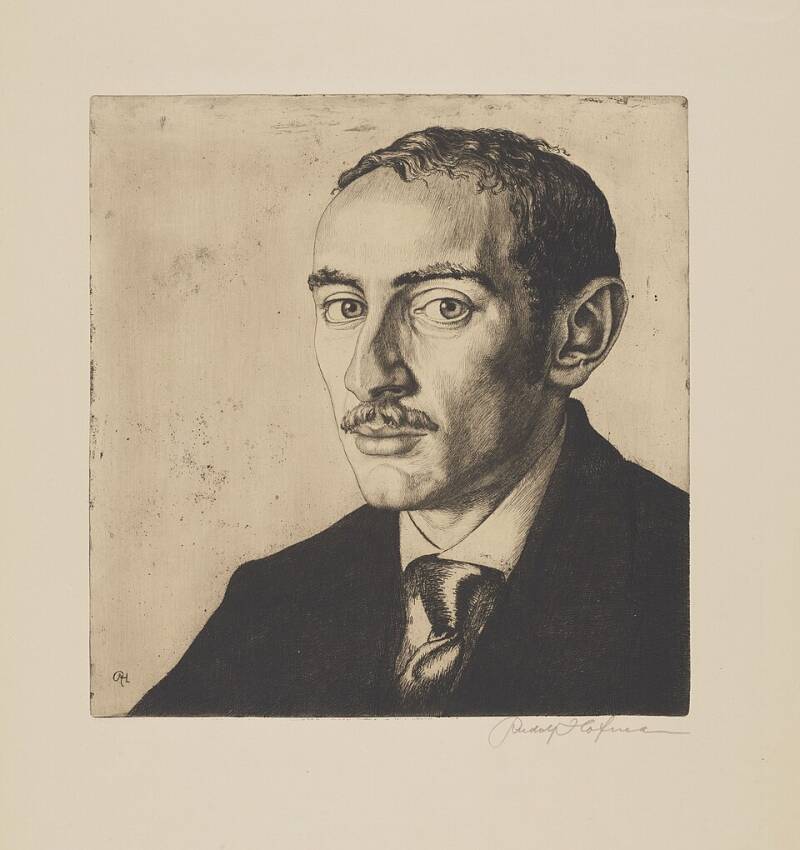
Portrait of Walter Bud by Rudolf Hofmann (1851–1938)
Info: Wikipedia
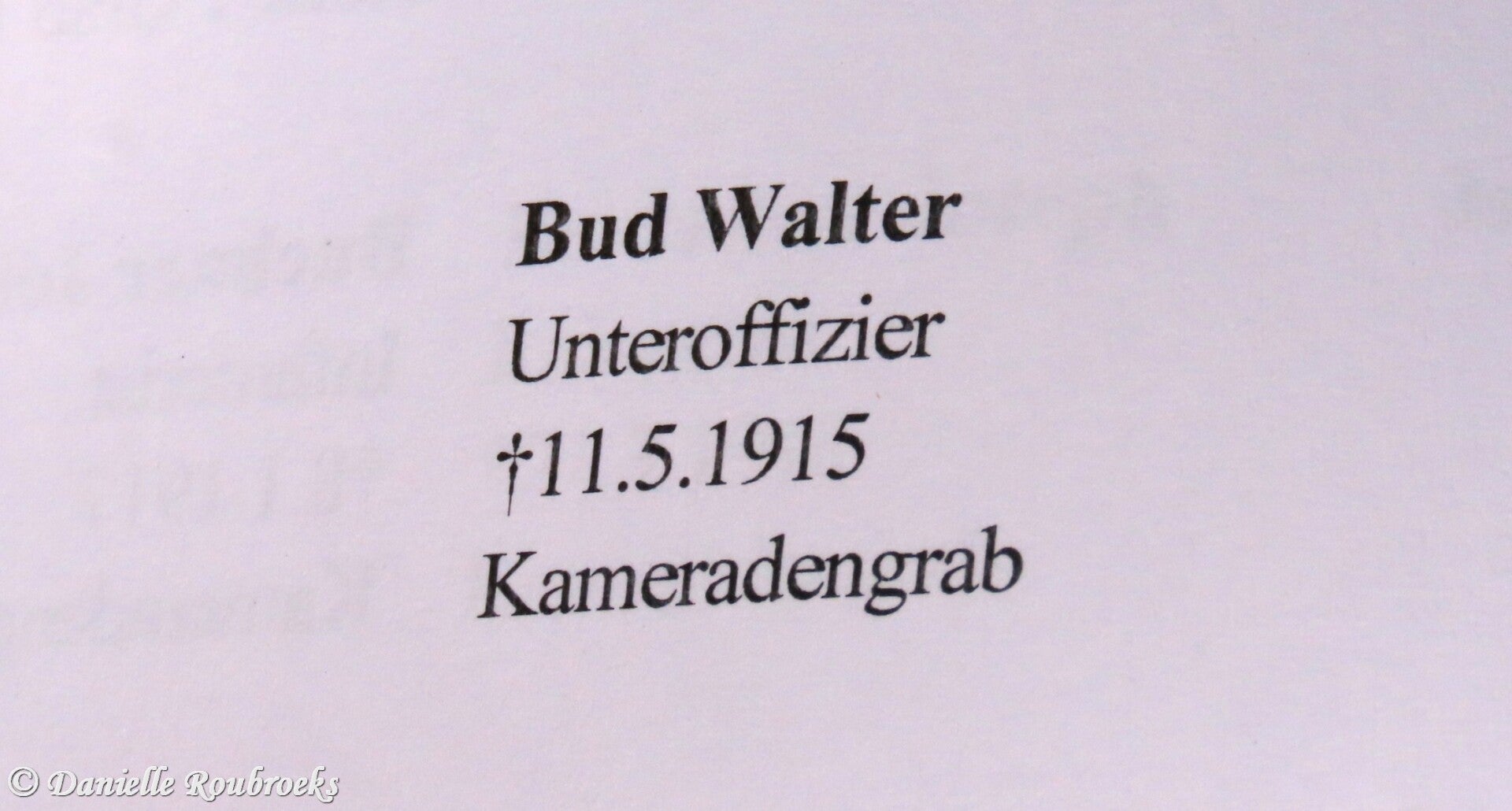
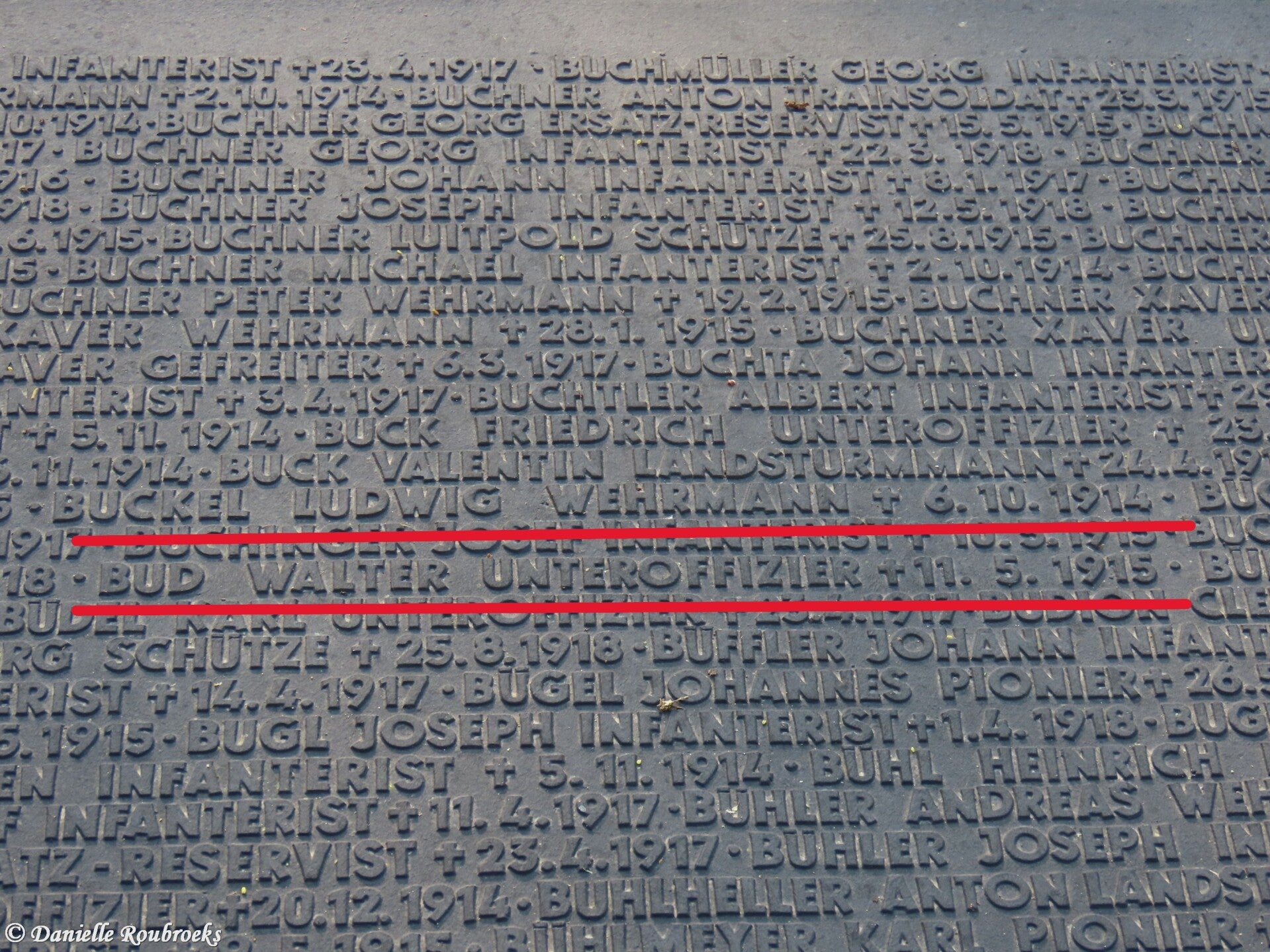
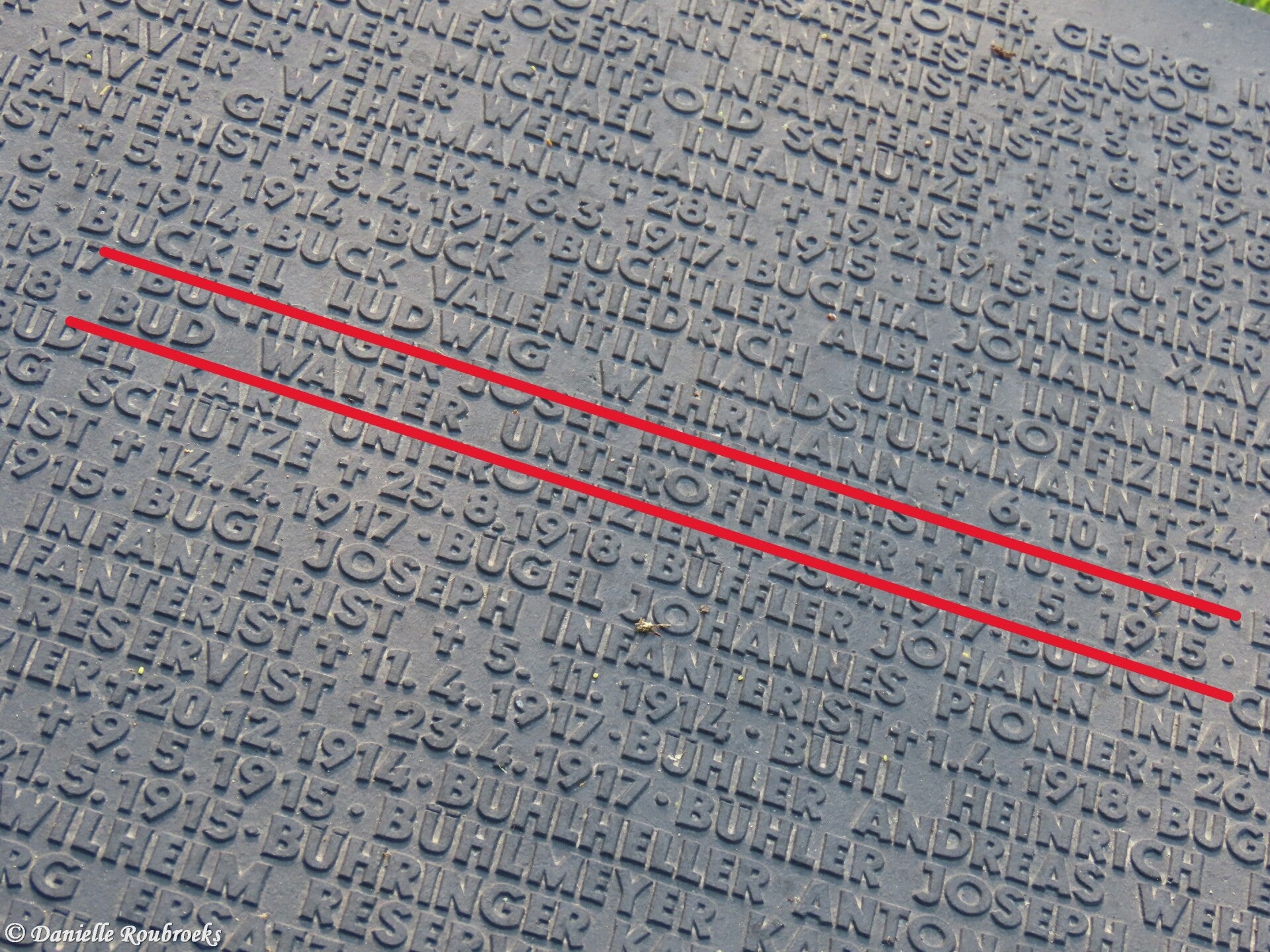
The German painter and graphic artist, Sergeant Walter Bud, lies buried in the comrades' grave. Born in 1890, Bud was a gifted artist, but the First World War brought his artistic development to an end. He fell as a sergeant in an infantry regiment of the 6th Royal Bavarian Reserve Division during the Second Battle of Flanders, killed by a headshot at Roclincourt on May 11, 1915.
From July 11 to August 1, 1915, the Leipzig Art Association dedicated a memorial exhibition to Walter Bud in the lecture hall of the Museum of Fine Arts. In addition to prints already acquired by the museum during the artist's lifetime, the exhibition included further drawn and etched portraits, caricatures, his sketchbooks from the front in which he recorded his wartime impressions in pencil, and two portraits of Walter Bud by his artist friend Leo Rauth.
In 1922, the Leipzig art dealer P. H. Beyer & Sohn published a portfolio of 12 original etchings by Walter Bud, printed on Japanese paper, in a limited edition of 20 copies. The preface was written by Karl Ettlinger. One copy is now in the Thomas J. Watson Library of the Metropolitan Museum of Art in New York.
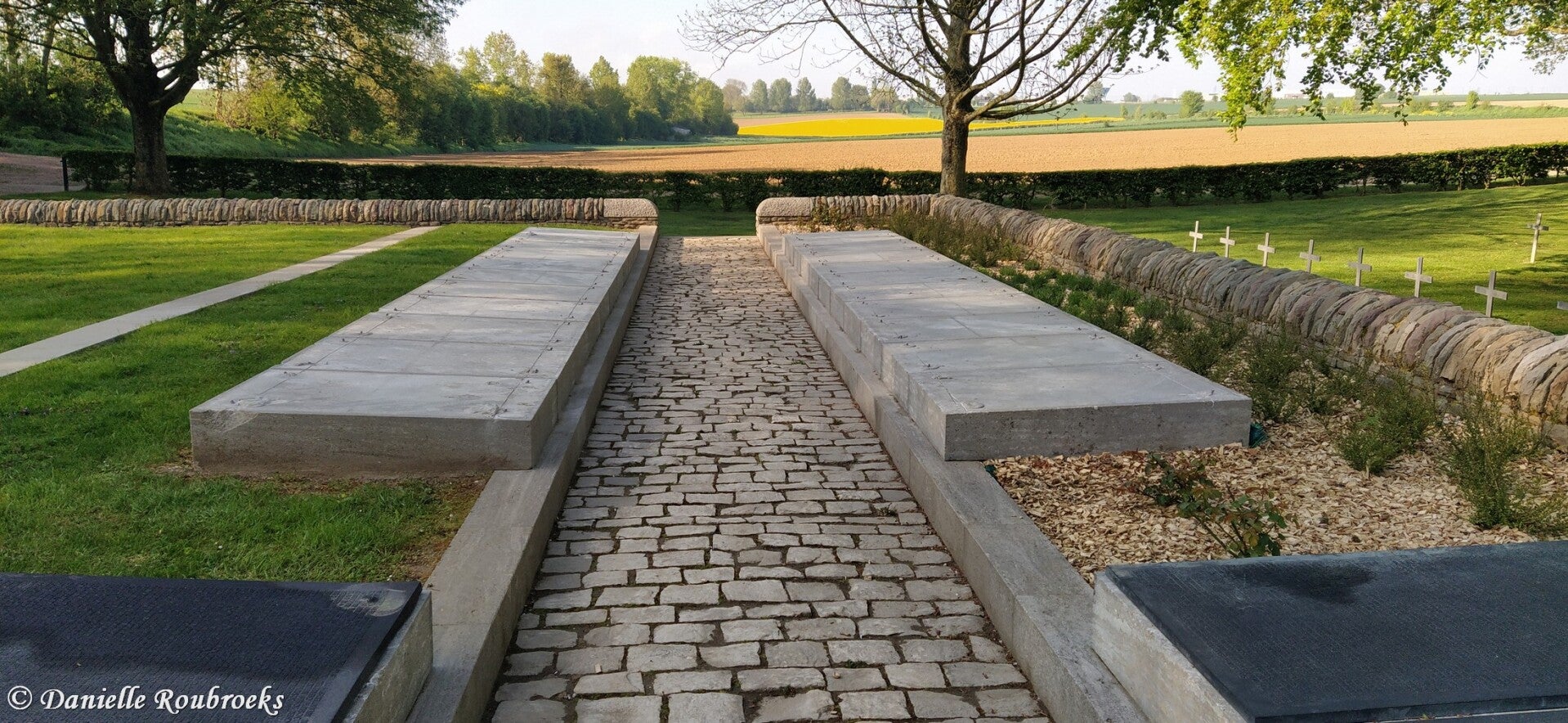
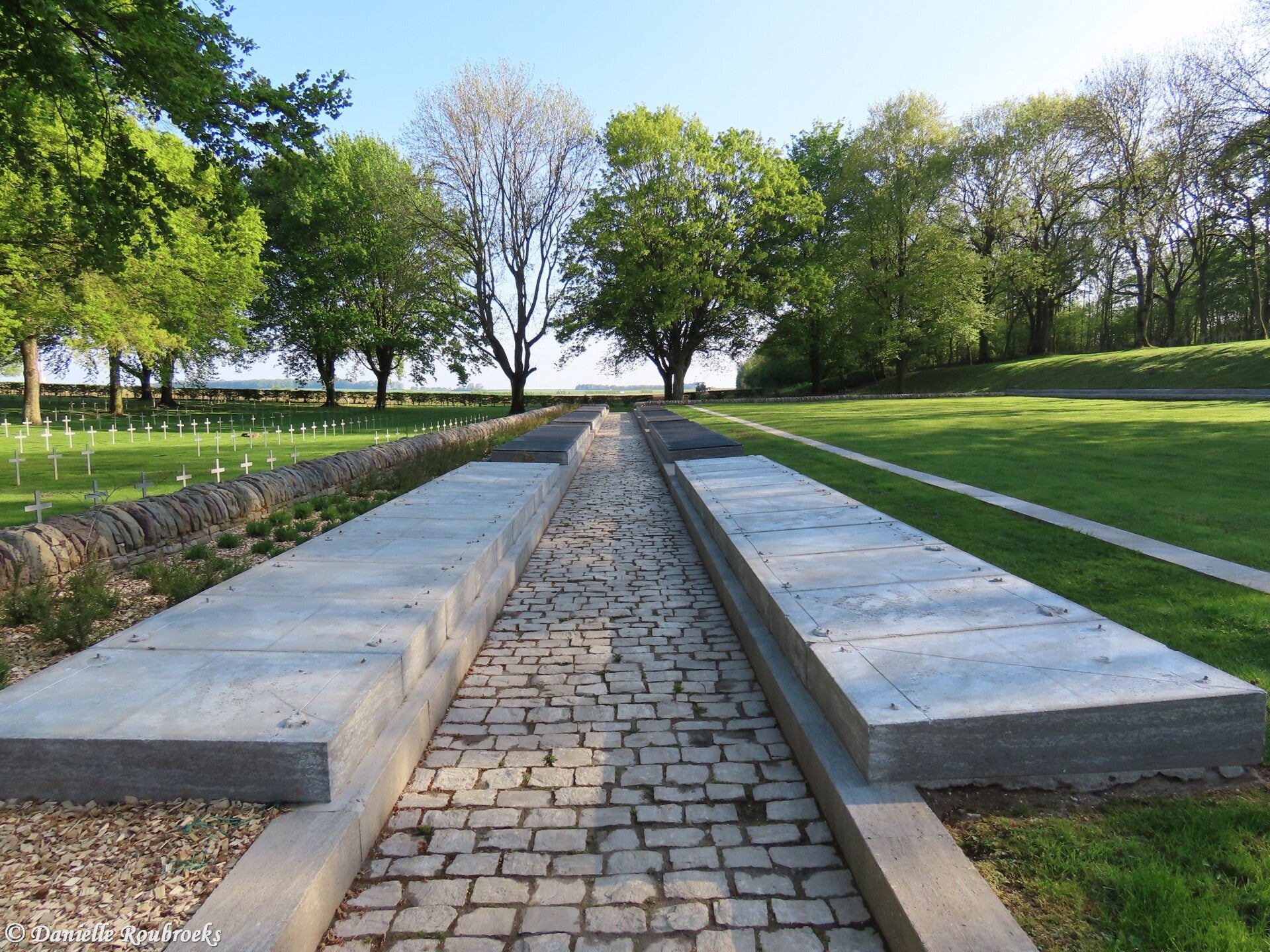
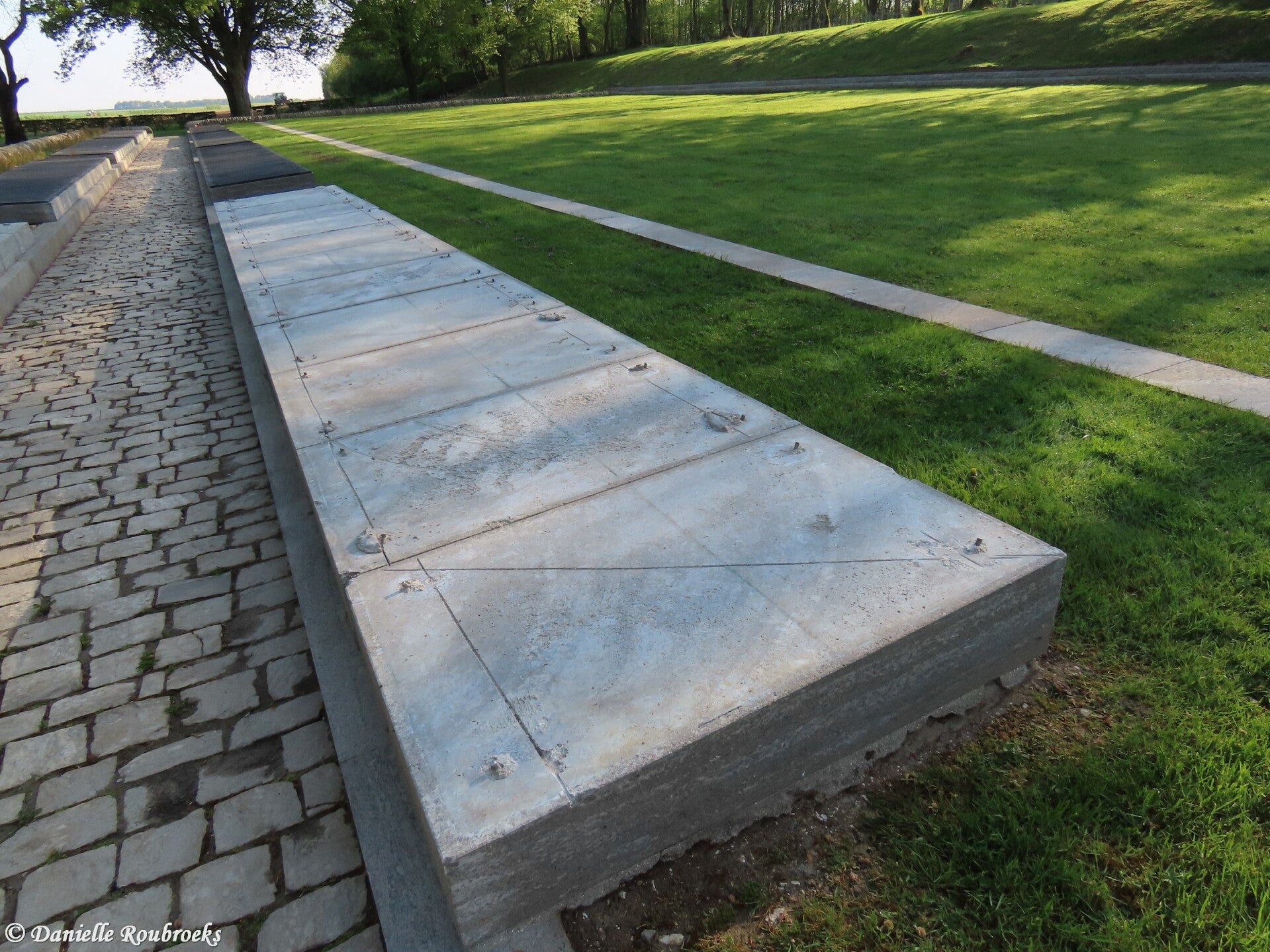
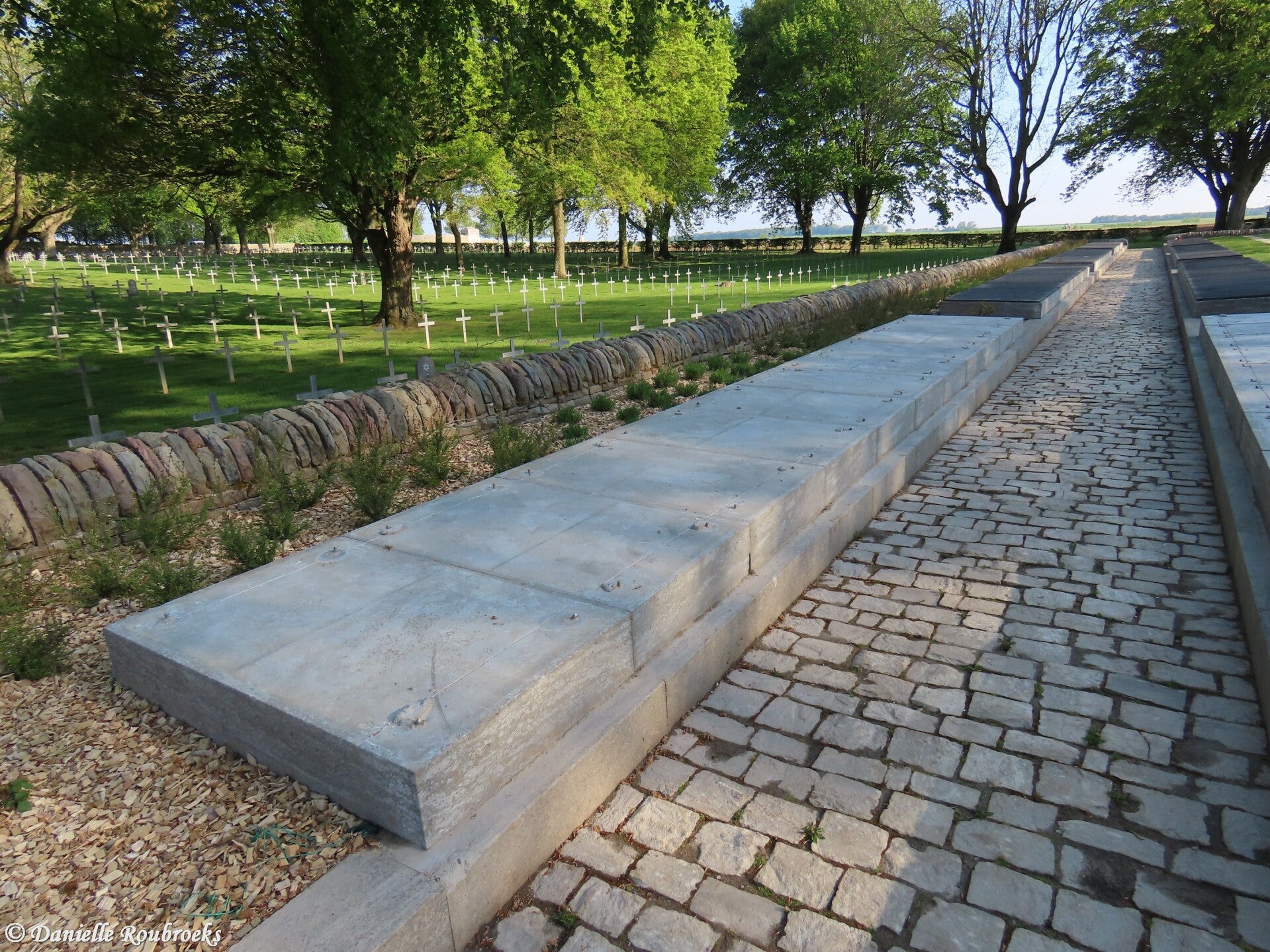
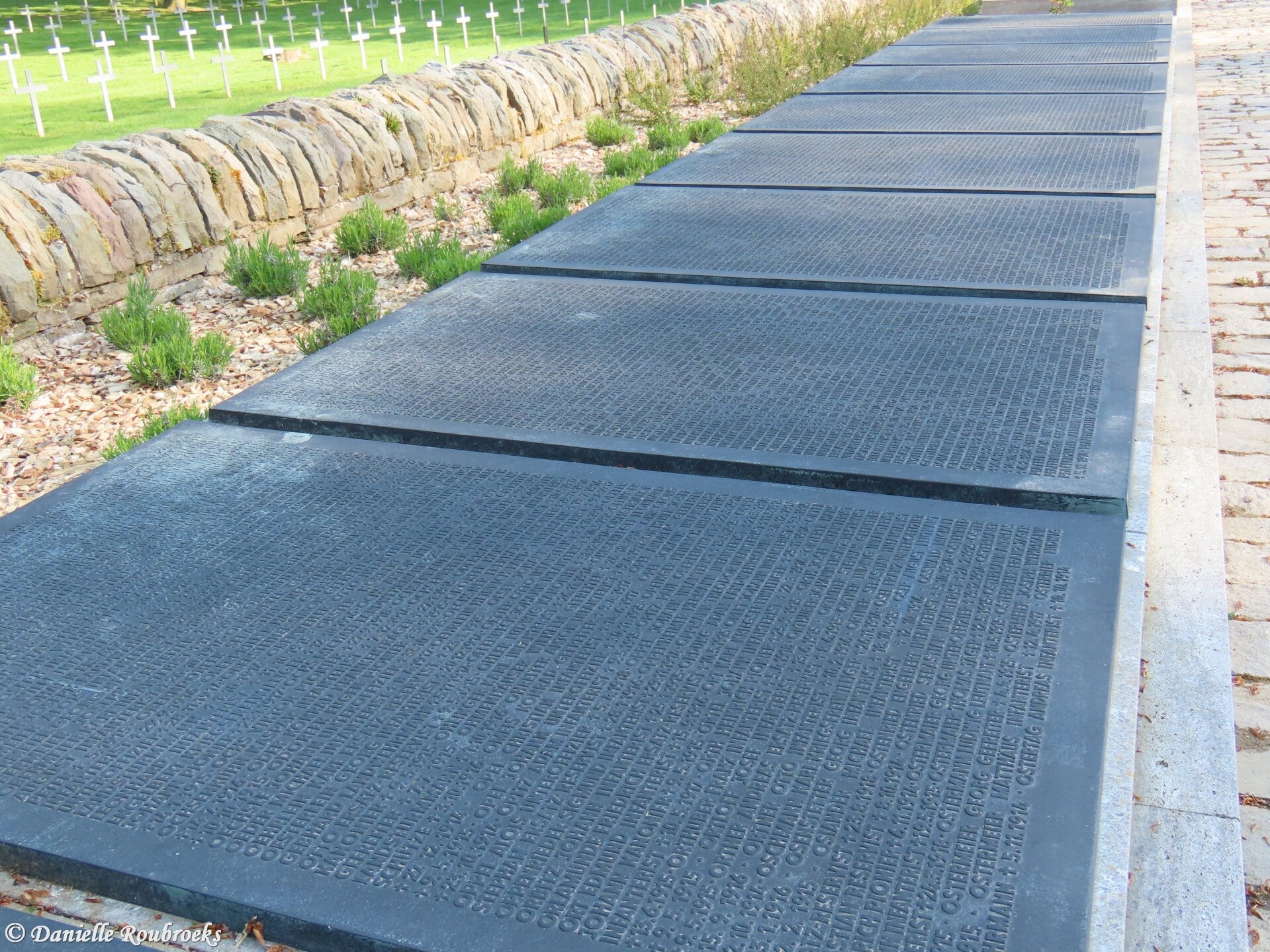
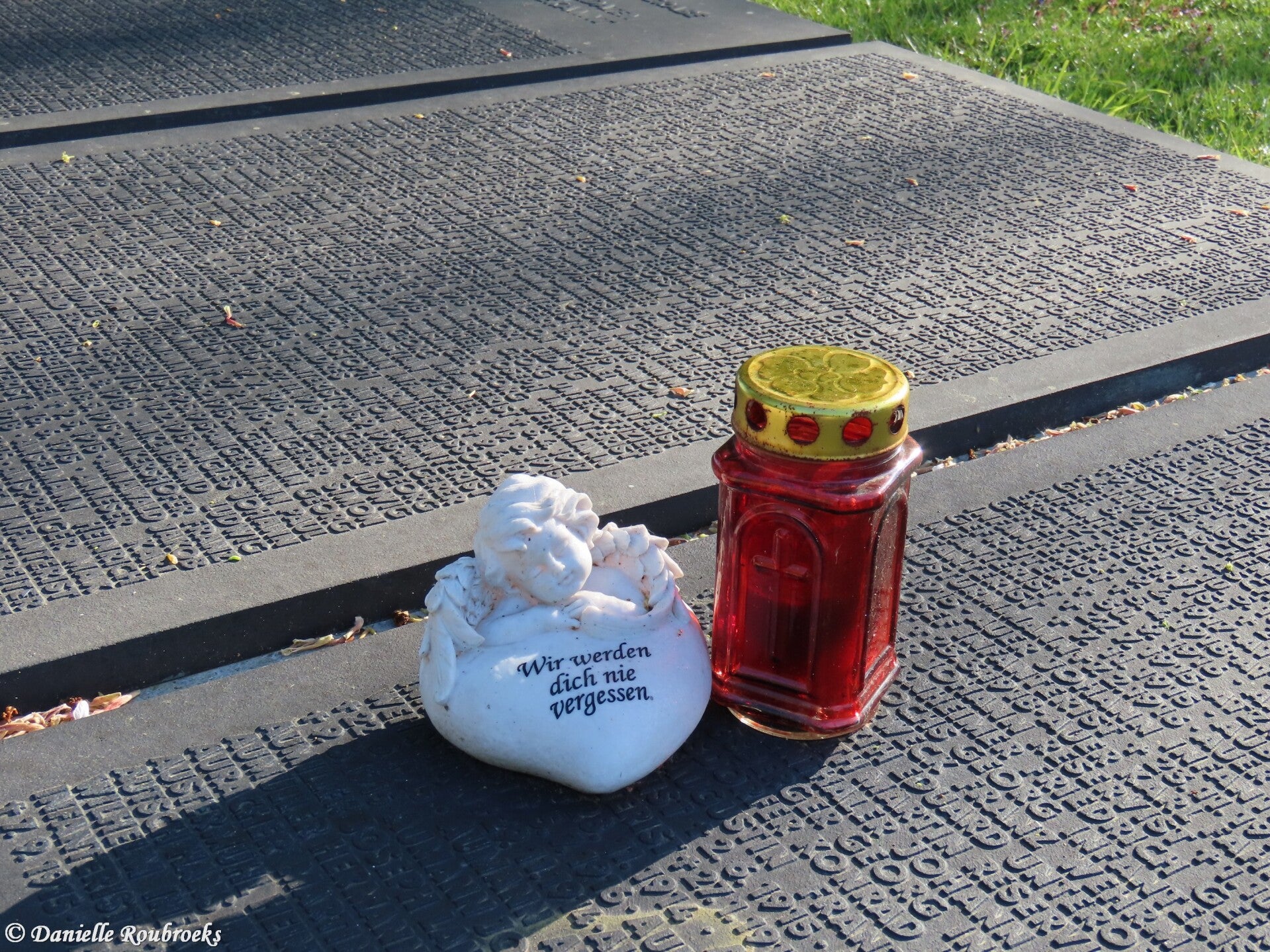
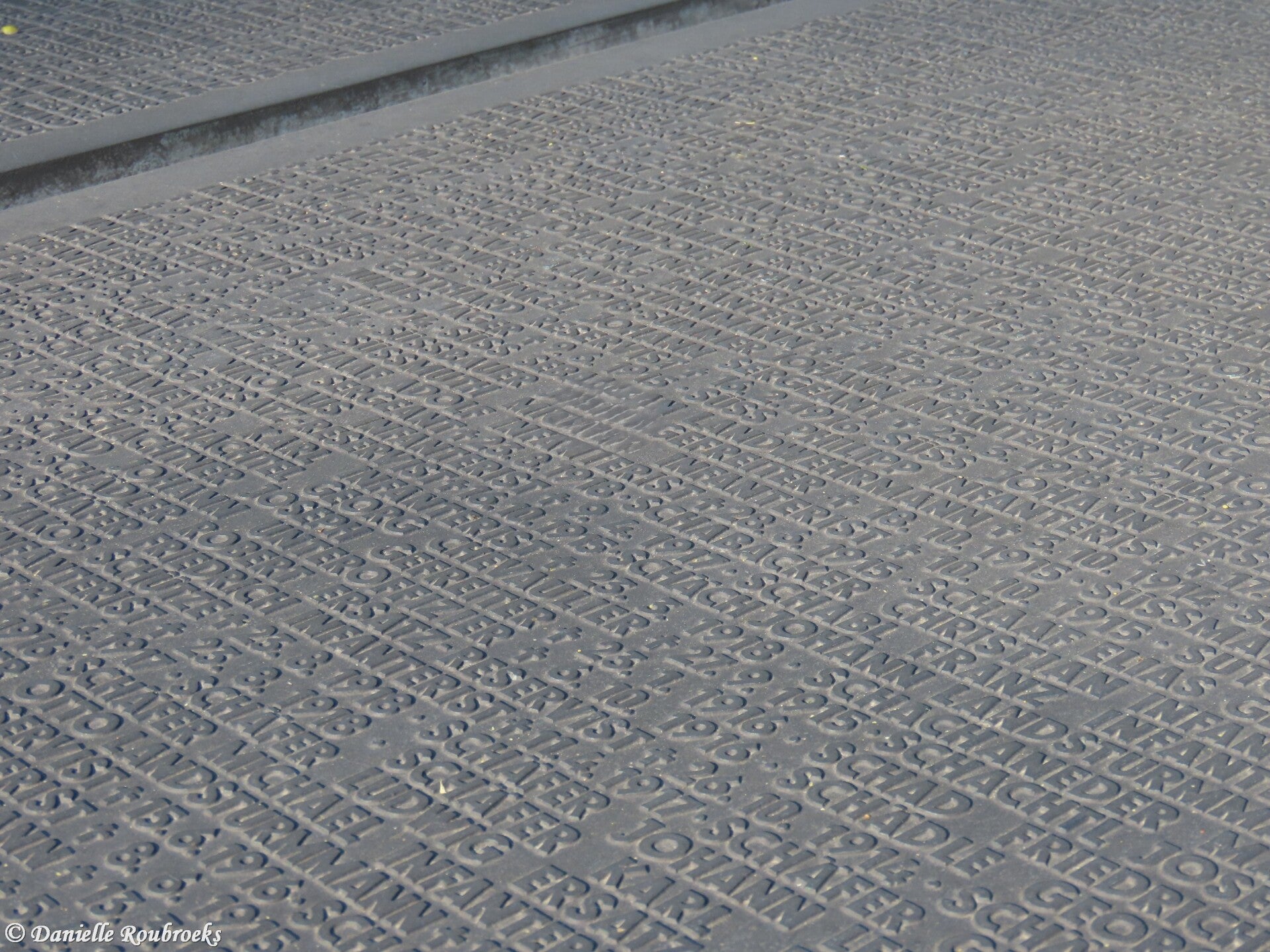
January 2026: Metal thieves have caused extensive damage at the St. Laurent-Blangy cemetery in the Pas-de-Calais department of northern France: Using an angle grinder, they cut 22 bronze nameplates, ripped them from their mountings, and made off with them. Three other plaques were badly damaged in the process. Experts estimate the total damage at around €150,000. On both sides of the narrow path, bronze nameplates were cut and forcibly torn from their concrete foundations. The 60-kilogram plaques, which bear the names of the deceased, are still missing.